
Now Reading: 7 Ways Nigerians Can Spot Fake Drugs in Pharmacies
-
01
7 Ways Nigerians Can Spot Fake Drugs in Pharmacies


Fake drugs are one of the most silent killers in Nigeria today. From malaria treatments to antibiotics and even life-saving blood pressure pills, counterfeit medicines are everywhere, sometimes even sitting on the shelves of seemingly reputable pharmacies.
According to the World Health Organization (WHO), fake drugs contribute to over 100,000 deaths annually in Africa, with Nigeria carrying one of the heaviest burdens. The National Agency for Food and Drug Administration and Control (NAFDAC) has repeatedly warned that fake drugs weaken the healthcare system, fuel resistance to treatment, and lead to preventable deaths.
So how can the ordinary Nigerian protect themselves? Here are 7 proven ways to identify fake drugs in pharmacies before they harm you or your loved ones.
7. Fake Drugs That Don’t Work as Expected
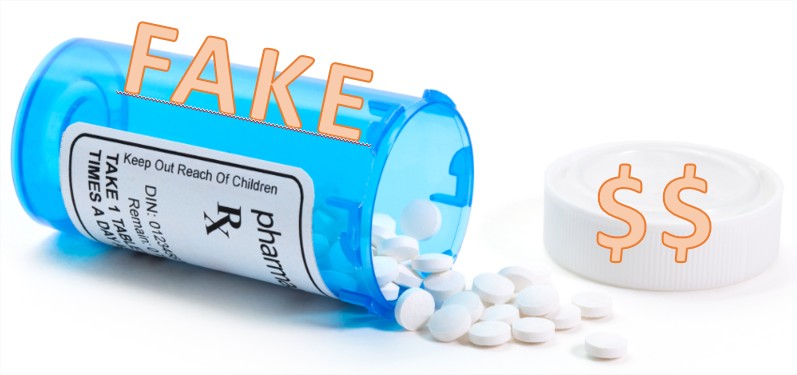
Sometimes, the only way to know is by experience, though by then, damage may already be done.
If you notice that a drug:
-
Does not relieve symptoms even after consistent use
-
Causes strange or unexpected side effects
-
Reacts differently from how it usually works
…then it could be fake. Report such cases immediately to a pharmacist or NAFDAC for investigation.
READ ALSO: Top 10 African Countries with the Largest Muslim Populations
6. Verify the Security Features
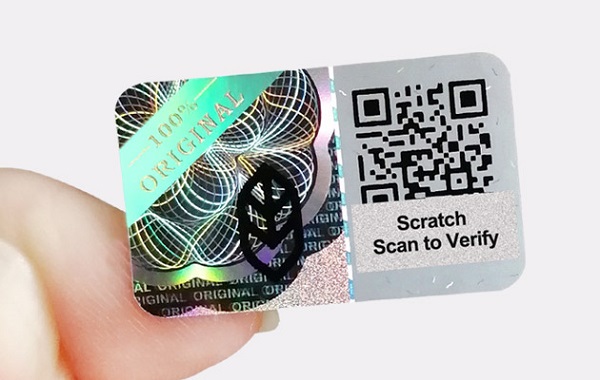
In recent years, manufacturers have introduced security features such as scratch codes, holograms, barcodes, and QR codes to help consumers verify authenticity.
For example, some anti-malaria medicines now come with a Mobile Authentication Service (MAS). With MAS, you simply scratch the panel on the pack, text the code to the number provided, and receive a confirmation if the drug is genuine.
Fake drugs often lack these features or display codes that return invalid results when checked.
Warning: If the drug has no code (when it should), or if the code verification fails, you’re holding a fake drug.
5. Fake Drugs Sold in Open Markets Instead of Pharmacies

Nigeria’s open drug markets like those in Kano, Aba, and Onitsha remain notorious hotspots for fake drugs.
While not every pharmacy is immune, drugs bought from registered pharmacies are generally safer than those purchased from unregulated sellers in bus stops, kiosks, or roadside stalls.
4. Fake Drugs With Unusual Taste, Smell, or Color

Fake drugs can often be spotted by changes in taste, color, or smell.
-
A tablet that tastes unusually bitter or sweet could be fake
-
Syrups with foul odor or discoloration are red flags
-
Injections that look cloudy or have particles should never be used
3. Fake Drugs With No Proper Expiry or Batch Number
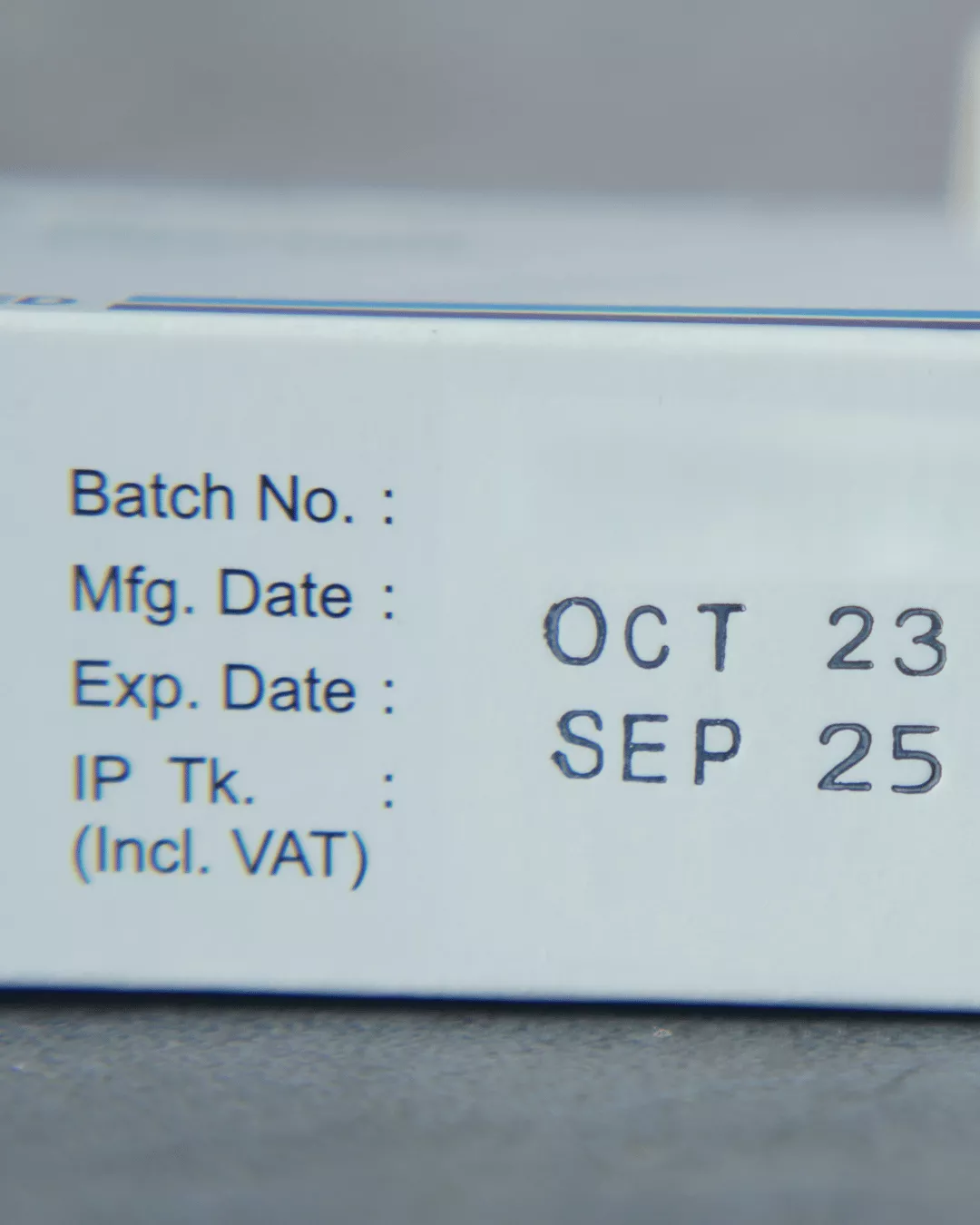
One of the easiest ways to detect fake drugs is by checking the expiry and batch numbers. These details are not just labels; they are crucial for tracking and verifying the authenticity of medicines. Counterfeit medicines often:
-
Come without expiry dates at all.
-
Display batch numbers that are faint, smudged, or can be rubbed off easily.
-
Show expiry dates that don’t match the manufacturing timeline, raising clear red flags.
Always inspect the pack. If the expiry date appears tampered with, or the batch number is missing or unclear, there’s a strong chance you’re holding a falsified drug.
2. Check the Packaging Carefully

The easiest way to detect fake drugs is by looking closely at the packaging. Counterfeit medicines often come with:
-
Spelling errors on labels
-
Poor-quality printing
-
Broken or tampered seals
-
Packaging that looks faded or different from the original you’ve used before
NAFDAC advises that consumers should always inspect the batch number, manufacturing date, and expiry date on the package. If any of these details look altered, mismatched, or unclear, there’s a high chance the product is counterfeit.
1. Look for the NAFDAC Registration Number
READ ALSO: How to Register for PVC Online in Nigeria: 7 Simple Steps
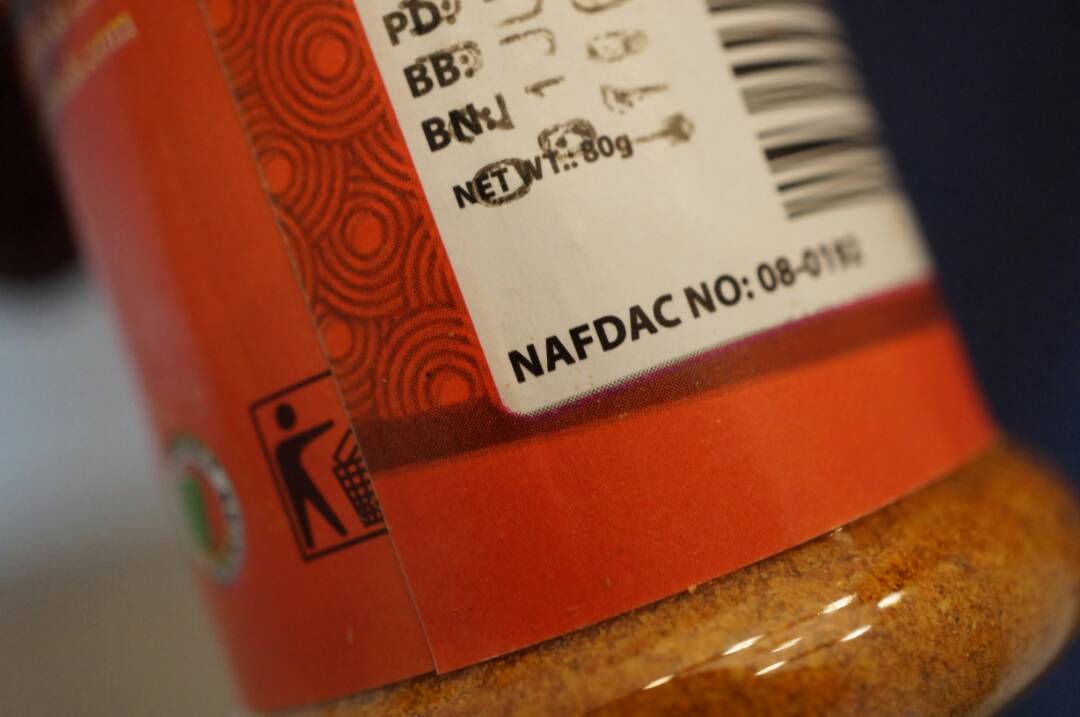
Every genuine medicine sold in Nigeria should carry a NAFDAC registration number. This number is proof that the drug has been tested and approved for safety and efficacy.
Unfortunately, fake drugs may also carry false NAFDAC numbers, which is why consumers should take an extra step: send the number to NAFDAC’s SMS verification code (38353) or use the NAFDAC Med Safety App to confirm authenticity.
If a pharmacy sells you drugs without a visible or verifiable NAFDAC number, that’s a major red flag.
Fake drugs are not just ineffective; they are deadly. According to a World Bank 2022 report, substandard medicines cost African economies over $30 billion annually in healthcare costs and lost productivity.
In Nigeria:
-
Fake malaria drugs contribute to rising drug resistance
-
Counterfeit antibiotics fuel superbugs
-
Fake painkillers and syrups lead to child mortality
This crisis is not just a health issue, it’s also economic, social, and national security concern. Every Nigerian must learn to spot fake drugs. The difference between recognizing a fake and swallowing it could be the difference between life and death.
Related Posts


Previous Post
Next Post


Global Hints
Follow us for the latest jobs and recruitment updates, scholarships, career tips, finance guides, tech and AI insights, and practical ways to make money online, delivered fast and verified on WhatsApp!
🚀 Follow Us on WhatsApp