In a major policy shift, President Bola Ahmed Tinubu has approved a 15 per cent ad‐valorem import duty on both premium motor spirit (PMS, commonly called petrol) and diesel imports in Nigeria.
This decision comes amid efforts to shore up domestic refining and align import pricing with local market realities.According to Arise News
According to the directive dated 21 October 2025, communicated via the President’s Private Secretary, Damilotun Aderemi, the duty will be applied to the cost, insurance and freight (CIF) value of imported petrol and diesel.
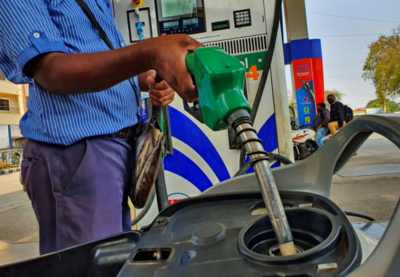
The objective is to discourage duty‐free fuel imports which undermine domestic refining, protect local capacity and strengthen energy security.
Impact on Fuel Pricing
Energy analysts are warning that the import duty is likely to push pump prices upward. Estimates suggest the cost could rise by about ₦99.72 per litre of petrol in Lagos as a result of the duty. The Guardian Nigeria
READ MORE: Campaign Photos Spark Online Firestorm: Nigerians Take on Anambra Guber Hopeful
Some reports suggest the cumulative cost could reach as much as ₦150 per litre in certain parts of the country. Arise News
The government says the tariff is designed not as a tax grab but as a measure to:
-
Stabilise the downstream petroleum market.
-
Protect and incentivise local refining capacity, including efforts at the Dangote Refinery.
-
Ensure fair competition between importers and domestic producers.
Industry Reaction & Risks
While the policy has been hailed by some as a decisive step towards refining self-sufficiency, others in the downstream sector raise concerns.
They worry that the extra cost burden may be passed to consumers, exacerbating fuel inflation and possibly triggering shortages if some importers withdraw.
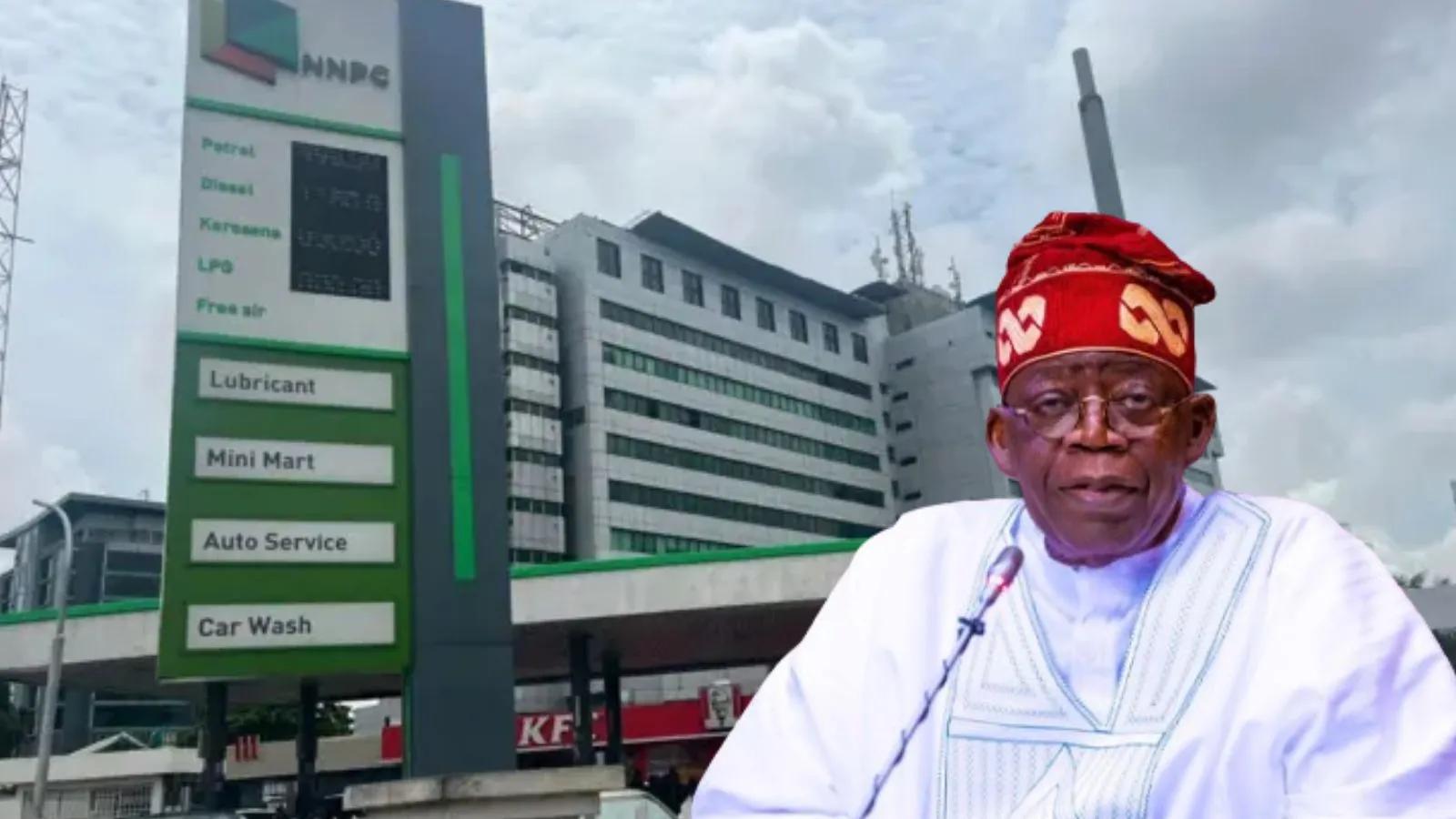
“This move would lock out independent marketers and give Dangote Refinery near-total control over Nigeria’s downstream supply.”
The directive references sections 71 and 72 of the Petroleum Industry Act (PIA) as the legal foundation empowering the Nigerian Midstream and Downstream Petroleum Regulatory Authority (NMDPRA) to impose tariffs in the public interest.
Although an initial 30-day transition window was proposed for importers to adjust shipments in transit, the memo indicates that the President decreed the duty to take effect immediately.
What It Means for Nigeria
For consumers, this policy signals a likely upward shift in fuel pump prices, which may ripple through transportation and logistics costs across Nigeria.
For the industry, it reinforces the push towards building a viable local refining-to-market chain.
Nevertheless, implementation will need careful monitoring to avoid supply disruptions or sudden spikes in cost of living.
President Tinubu’s approval of a 15 % import duty on petrol and diesel marks a bold move by the Nigerian government to change the dynamics of fuel importation and domestic refining.
As the government puts it:
“The core objective is to operationalise crude transactions in local currency, strengthen local refining capacity, and ensure a stable, affordable supply of petroleum products across Nigeria.” Arise News
Whether this measure delivers long-term benefits for energy security without hurting consumers depends on tight implementation, transparent oversight and responsiveness to market conditions.