
Now Reading: Tenant Removes POP Ceiling and Tiles After Landlord Forces Him Out of Renovated Flat
-
01
Tenant Removes POP Ceiling and Tiles After Landlord Forces Him Out of Renovated Flat


A dramatic incident involving a tenant and his landlord has sparked widespread reactions online after a man reportedly removed the POP ceiling and tiles he installed in a rented apartment when he was asked to vacate the property.
According to reports, the tenant had spent a significant amount of money renovating the apartment, including installing POP (Plaster of Paris) ceiling designs, floor tiles, and other interior upgrades to improve the condition of the flat.
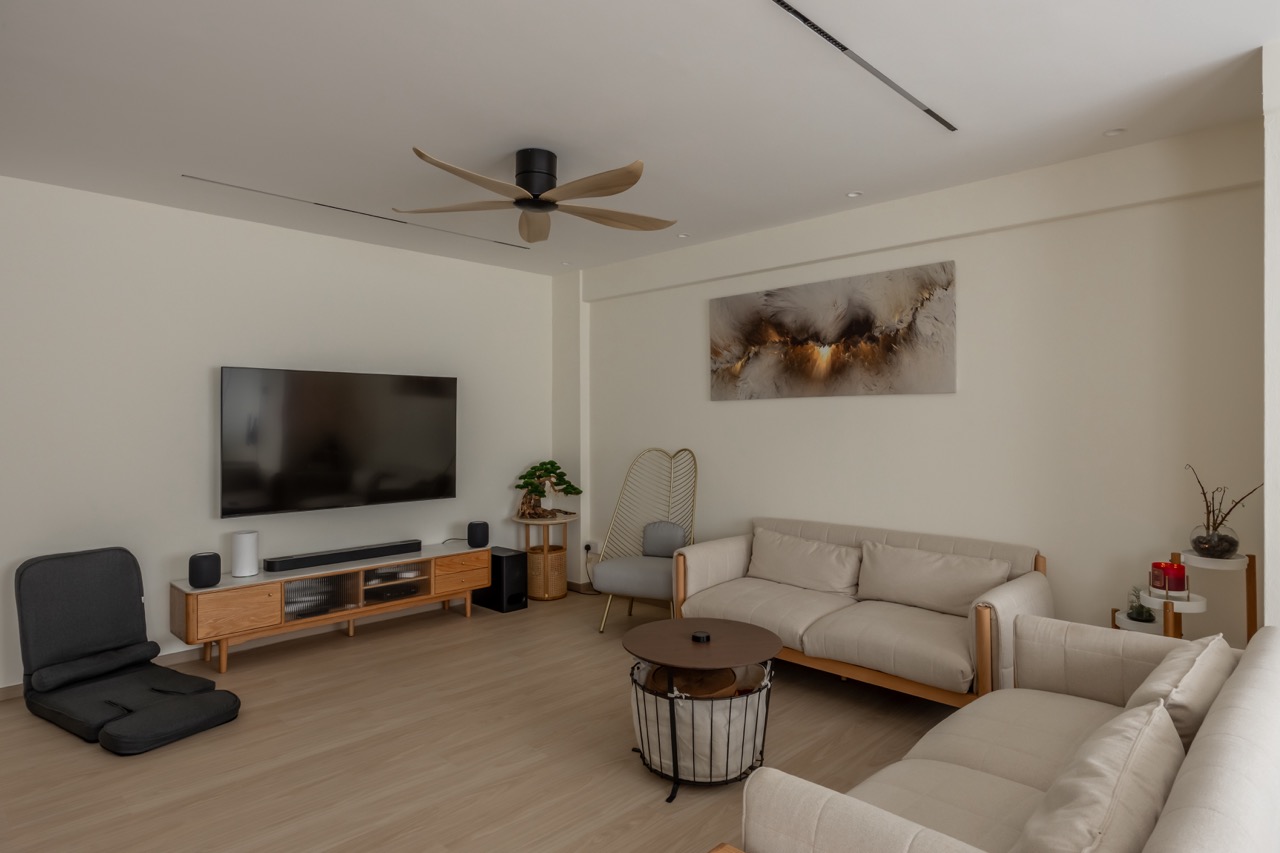
However, the situation escalated when the landlord allegedly forced him to leave the property shortly after the renovations were completed.
Tenant Removes Renovations Before Leaving
Feeling unfairly treated, the tenant reportedly decided to remove the installations he had personally funded.
In a video that has circulated online, the man was seen dismantling the POP ceiling and pulling out tiles from the apartment before moving out. The act appeared to be his way of recovering part of the investment he made in renovating the rented property.
Witnesses said the tenant had previously transformed the apartment into a more comfortable living space using his own money.
READ ALSO:
- Popular Nigerian Pastor Agbala Gabriel Battles Fraud and Sex Allegations
- Emmanuel Nwude: Nigerian Man Who Defrauded Brazilian Bank ‘$242M’ to Build Fake Airport Jailed in Lagos
- Iran New Supreme Leader Mojtaba Khamenei Reportedly in Coma After Airstrike (VIDEO)
- Actress Tonto Dikeh Sued for ₦200 Million Over Schoolgirl Deliverance Video
- Central Bank Of Nigeria Orders Banks to Restrict Banking Services to All Loan Defaulters
Social Media Reactions
The incident has generated mixed reactions online.
Some people supported the tenant’s actions, arguing that it was unfair for a landlord to force someone out after they spent money improving the property.
Others, however, believed the situation could have been resolved differently, suggesting that disputes between tenants and landlords should be handled through proper agreements or legal processes.
The viral video has since sparked broader discussions about tenant rights, property ownership, and renovation agreements in rental properties.
Lessons for Tenants and Landlords
The incident highlights the importance of clear agreements between tenants and landlords before carrying out renovations in a rented apartment.
Experts often advise tenants to:
-
Obtain written permission before renovating a rental property
-
Agree with the landlord on who will bear renovation costs
-
Clarify whether improvements will be compensated if the tenant moves out
Proper communication and documented agreements can help prevent misunderstandings and conflicts like this one.
Related Posts





Global Hints
Follow us for the latest jobs and recruitment updates, scholarships, career tips, finance guides, tech and AI insights, and practical ways to make money online, delivered fast and verified on WhatsApp!
🚀 Follow Us on WhatsApp