
Now Reading: Peter Obi Slams NDLEA, Says Illicit Drug Trade Exposes Institutional Decay in Nigeria
-
01
Peter Obi Slams NDLEA, Says Illicit Drug Trade Exposes Institutional Decay in Nigeria
Peter Obi Slams NDLEA, Says Illicit Drug Trade Exposes Institutional Decay in Nigeria


Former presidential candidate Peter Obi has issued a scathing indictment of the Nigeria Drug Law Enforcement Agency (NDLEA), describing it as having become “a joke” due to its apparent inability to stem the rampant inflow of illicit drugs into the country.
In a statement posted on his X handle, Obi blamed corruption and lax regulations for the deteriorating state of drug enforcement. According to PM News Nigeria
According to him, traffickers are now using courier and delivery services to smuggle controlled substances across Nigeria an alarming trend that he says reflects how fragile the country’s monitoring systems and institutions have become.

Drug Trafficking: A Growing Threat
Obi warned that drug trafficking is not just a law-and-order issue but a serious social and moral threat.
“It destroys families, fuels crime, and corrodes the conscience of a nation,” he stated,
stressing that Nigeria with its existing burdens of insecurity, youth unemployment, and food scarcity cannot afford to normalise drug trade.
He emphasized that Nigeria must reclaim oversight,
“rebuild a system where laws are sacred, leaders are accountable, and no one is above justice.” Obi asserted,
“Nigeria will only heal when character, truth, and responsibility return to governance.”
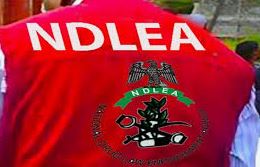
Obi’s critique is rooted in what he perceives as systemic failure: he suggested that corruption within regulatory agencies and weak internal controls have left NDLEA toothless. Such institutional decay, he argued, allows traffickers to exploit delivery networks and cross-border loopholes with impunity.
READ MORE : EFCC Insists Probe Into Okowa’s ₦1.3 Trillion Derivation Fund Diversion Still Ongoing
Observers familiar with NDLEA note that the agency has in recent years attempted reforms and partnerships to strengthen enforcement for example, in September 2025, NDLEA teamed with the NGO ECAPI to train intelligence and advocacy agents to fight the drug scourge.
Yet despite these efforts, Obi contends that enforcement remains superficial and symbolic.
The Broader Context: Nigeria’s Drug War
The rise in illicit drugs ranging from cannabis and tramadol to stronger psychotropic substances has been documented by various sources over time. According to UN estimates, Nigeria is confronting one of the highest rates of substance abuse in West Africa, exacerbating its public health and security burdens.
NDLEA itself, created in 1989 to lead Nigeria’s war against drug trafficking, has long struggled with resource constraints, conflicting mandates, and allegations of internal corruption. Critics say the agency’s challenges mirror a broader malaise plaguing many federal institutions in Nigeria.
Related Posts



Previous Post
Next Post


Global Hints
Follow us for the latest jobs and recruitment updates, scholarships, career tips, finance guides, tech and AI insights, and practical ways to make money online, delivered fast and verified on WhatsApp!
🚀 Follow Us on WhatsApp