
Now Reading: Donald Trump Orders U.S. Navy to Resume Nuclear Weapons Testing After 33-Year Moratorium
-
01
Donald Trump Orders U.S. Navy to Resume Nuclear Weapons Testing After 33-Year Moratorium
Donald Trump Orders U.S. Navy to Resume Nuclear Weapons Testing After 33-Year Moratorium


In a dramatic pivot of U.S. military and strategic posture, President Donald Trump announced on 30 October 2025 that the United States would resume nuclear weapons testing, ending a 33-year moratorium.
The directive, issued via Trump’s social media platform while en route to meet Chinese President Xi Jinping in South Korea, directed the military to restart testing “on an equal basis” with rival nuclear powers, particularly Russia and China.
“Because of other countries’ testing programs, I have instructed the Department of War to start testing our Nuclear Weapons on an equal basis. That process will begin immediately.” — Trump (via Truth Social)
Trump On Nuclear Weapons Testing
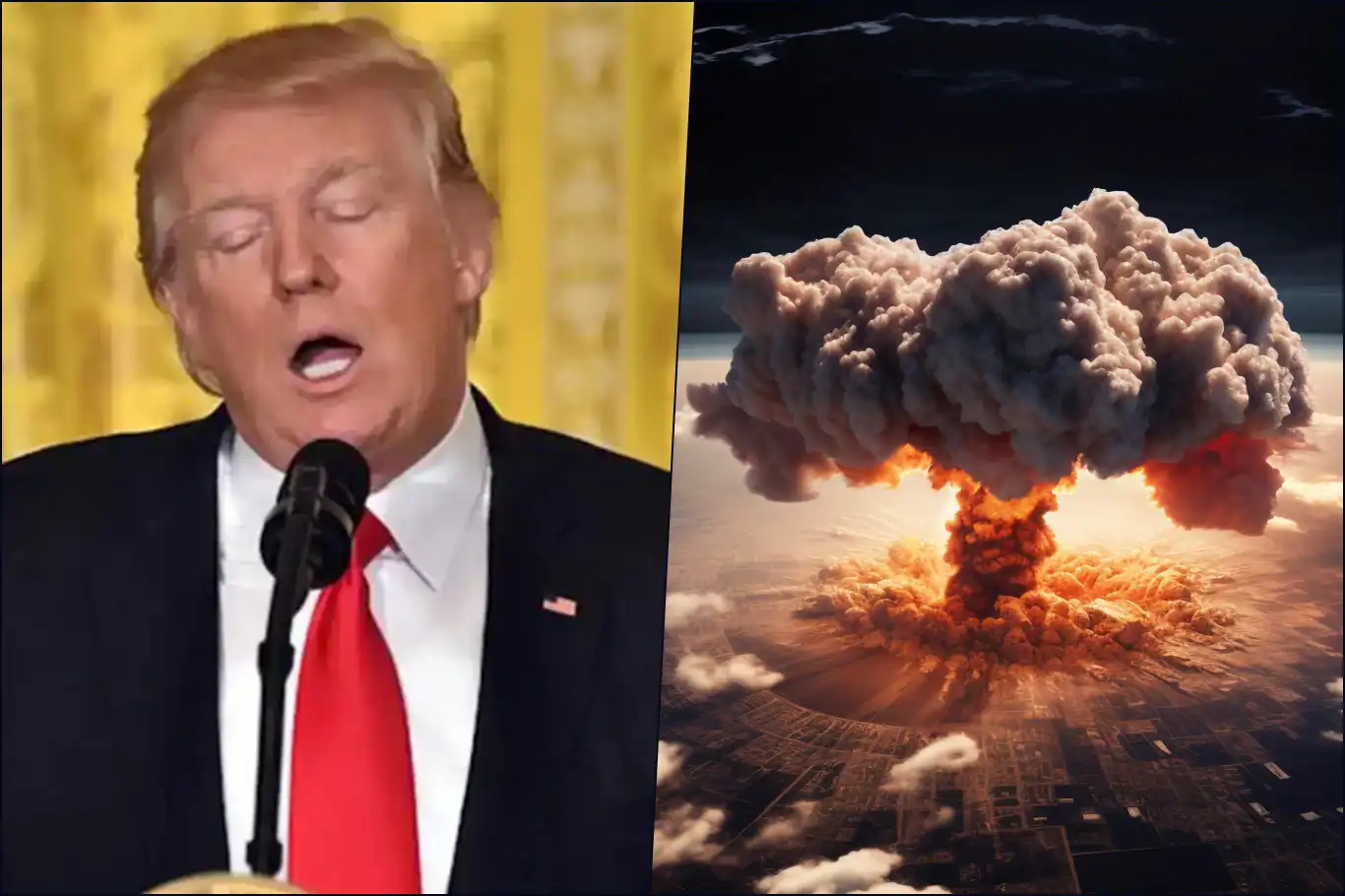
According to AP News, The United States has not conducted a nuclear explosive test since 1992, when a voluntary moratorium began at the close of the Cold War.
The decision reflects growing concern in Washington over the rapid pace of nuclear-arsenal expansion by China (recent estimates suggest Beijing may exceed 1,000 warheads by 2030) and Russia’s recent deployment of novel nuclear capable weapons systems.
READ ALSO: US Goverment Bans Wole Soyinka From Entering the United States of America
Trump argued that U.S. deterrence credibility and strategic posture required this move, asserting that other powers are not waiting and that the U.S. must “keep up.”
International and domestic reactions

Arms control experts and international observers voiced alarm. Analysts warn that restarting nuclear testing could destabilize global non-proliferation regimes, undermine treaties such as the Comprehensive Nuclear‑Test‑Ban Treaty (CTBT), and trigger a renewed arms race.
In the U.S, some lawmakers including Representative Dina Titus from Nevada promised to introduce legislation to block the move, citing environmental, safety and geopolitical risks.
While the announcement signals intent, logistics and technical hurdles remain. Experts estimate that fully renewing underground testing capability in the U.S. would take at least three years. Meanwhile, the Trump administration did not immediately specify the testing methods (explosive vs non-explosive), timeline or test site.
As global tension mounts, the world watches how allies and adversaries alike respond. The testing resumption could mark a turning point in modern arms control and nuclear deterrence dynamics.
Related Posts





Global Hints
Follow us for the latest jobs and recruitment updates, scholarships, career tips, finance guides, tech and AI insights, and practical ways to make money online, delivered fast and verified on WhatsApp!
🚀 Follow Us on WhatsApp