
Now Reading: 10 Richest States in Nigeria 2026 (RANKED)
-
01
10 Richest States in Nigeria 2026 (RANKED)


Nigeria, Africa’s most populous country and largest economy, is a land of immense contrasts, rich in natural resources, yet diverse in development outcomes across its 36 states. While some states thrive on oil wealth, commerce, and manufacturing, others are leveraging agriculture, tech, and tourism to climb the ladder of prosperity.
As of 2026, state-level economic data from the National Bureau of Statistics (NBS), reveal stark disparities in income, growth, and internally generated revenue (IGR). In this comprehensive breakdown.
GlobalHints.com.ng ranks the Top 10 Richest States in Nigeria in 2026, based on a blend of GDP contribution, IGR figures, economic diversification, and infrastructure development.
10. Anambra State – Southeastern Nigeria’s Economic Dynamo

-
GDP Estimate (2026): ~₦5 trillion (commerce & industrial growth)
-
IGR (2024): ~₦42.7 billion.
-
Key Sectors: Trade, Manufacturing, Transport, SMEs
Anambra is home to the famous Onitsha Main Market, one of Africa’s largest commercial centres. With a strong entrepreneurial culture, the state thrives on SMEs, real estate, and cross-border trade.
Government efforts like the Anambra Airport Project, industrial parks, and ease-of-doing-business reforms are drawing diaspora investment and boosting state revenue.
9. Oyo State – Southwest’s Education and Agribusiness Leader
-
GDP Estimate (2026): ~₦5–₦6 trillion (commerce, agriculture, services).
-
IGR (2024): ₦65.29 billion.
-
Key Sectors: Education, Agro-processing, Real Estate
With Ibadan as one of West Africa’s largest cities, Oyo State benefits from its strategic location, thriving academic institutions, and a solid agricultural base. The state’s investments in industrial parks, transport corridors, and youth innovation centres are reshaping its revenue profile.
Oyo is also a top player in cassava, maize, and cocoa production.
8. Kaduna State – The Emerging Tech and Education Capital

-
GDP Estimate (2026): ~₦4 trillion + (transport, agriculture, industry).
-
IGR (2024): ₦71.57 billion.
-
Key Sectors: ICT, Agriculture, Education, Energy
Kaduna has been positioning itself as a tech and innovation hub, especially with investments in Kaduna Tech City and its renewable energy programs. Home to institutions like Ahmadu Bello University and several military academies, the state boasts a young, educated population that drives economic growth.
From cotton to ginger farming, Kaduna continues to tap into its agricultural potential while expanding its digital economy.
7. Kano State – Northern Nigeria’s Commercial Lion

-
GDP Estimate (2026): ~₦4–₦5 trillion (commerce, agriculture, industry).
-
IGR (2024): ₦74.77 billion.
-
Key Sectors: Trade, Textiles, Agriculture, Manufacturing
Nicknamed the “Centre of Commerce”, Kano has maintained its status as the economic nerve of northern Nigeria. Its Kantin Kwari textile market and Dawanau grain market are among the largest in West Africa.
Though security challenges persist, initiatives like the Kano Economic City and government investments in rice mills, leatherworks, and transport infrastructure continue to stimulate its GDP growth.
6. Akwa Ibom – Gas and Infrastructure in Motion
-
GDP Estimate (2026): ~₦8 trillion (oil economy).
-
IGR (2024): ₦75.77 billion.
-
Key Sectors: Oil & Gas, Infrastructure, Aviation, Agriculture
With infrastructural marvels like the Ibom Deep Seaport, Ibom Air, and smart terminal upgrades, Akwa Ibom is transforming into a logistics and energy hub in the Gulf of Guinea.
The state’s fiscal discipline, coupled with rising gas investments, has enhanced its revenue streams and set the tone for long-term prosperity.
5. Ogun State – Industrial Nucleus of Southwest Nigeria

-
GDP Estimate (2026): ~₦5–₦6 trillion (industry, manufacturing, logistics).
-
IGR (2024): ₦194.93 billion.
-
Key Sectors: Manufacturing, Construction, Agro-Processing
With an aggressive industrialization agenda, Ogun State has become a magnet for both local and foreign investors. Its proximity to Lagos fuels the growth of the Abeokuta-Lagos industrial corridor, housing brands like Nestlé, Dangote Cement, and Unilever.
The state’s strategic push into light manufacturing, automobile assembly, and cassava processing is earning it a spot among Nigeria’s richest states.
4. Delta State – Crude Oil and Industrial Backbone

-
GDP Estimate (2026): ~₦7 trillion (oil & agriculture).
-
IGR (2024): ₦157.79 billion.
-
Key Sectors: Oil, Natural Gas, Manufacturing, Palm Oil
Delta is another Niger Delta heavyweight. Rich in oil and gas reserves, the state also boasts significant infrastructure, including the Asaba International Airport and the Warri Refinery.
Besides hydrocarbons, Delta State is investing in agro-processing and industrial parks, positioning itself for post-oil sustainability. Areas like Sapele and Ughelli are hubs for timber, rubber, and energy production.
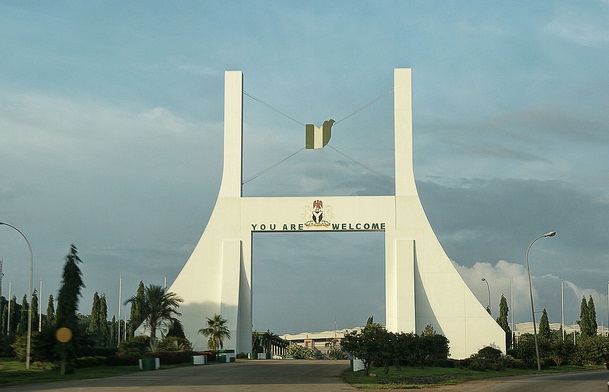
3. FCT (Abuja) – Nigeria’s Federal and Diplomatic Hub
-
GDP Estimate (2026): ~₦8–₦10 trillion (administrative, services, diplomacy, finance). (Estimated based on FCT’s economic role as capital and services center.)
-
IGR (2024): ₦282.36 billion among the top three revenue-generating regions.
-
Key Sectors: Real Estate, Public Administration, Hospitality, Construction
The Federal Capital Territory continues to rise, not only as Nigeria’s seat of power but also as a growing real estate and service economy. Its clean, planned urban landscape makes it attractive for international investors, NGOs, and the diplomatic corps.
The real estate boom from Maitama to Guzape drives much of its internal revenue. Massive construction projects like Centenary City and ongoing expressway developments keep the economy buzzing.
2. Rivers State – Oil Powerhouse of the Niger Delta
-
GDP Estimate (2026): ~₦8–₦10 trillion (energy & logistics powerhouse)
-
IGR (2024): ₦317.3 billion second highest
-
Key Sectors: Crude Oil, Gas, Petrochemicals, Marine Services
The capital city, Port Harcourt, is not called “The Garden City” for nothing. With a major stake in Nigeria’s crude oil production, Rivers State is the country’s second-richest state. Besides its oil wealth, the state is home to Indorama Petrochemicals, NLNG Bonny, and several oil servicing companies that boost job creation and revenue.
Rivers also benefits from a strategic coastline that supports both fishing and shipping businesses.
1. Lagos State – The Unshakable Economic Giant

-
GDP Estimate (2026): ~₦100 trillion + (dominant commercial & services hub)
-
IGR (2024): ₦1.26 trillion by far the highest in Nigeria
-
Key Sectors: Finance, Trade, Tech, Real Estate, Entertainment
Lagos retains its crown as the richest and most economically dynamic state in Nigeria. Housing over 22 million residents, this commercial nerve centre contributes over 30% of Nigeria’s GDP and generates more than 50% of the country’s non-oil revenue.
With thriving tech hubs like Yaba, a robust real estate market, and a growing port infrastructure (Lekki Deep Sea Port), Lagos remains Africa’s startup capital and Nigeria’s leading tax-generating state. The state’s partnership with private investors in the Blue Line Rail and the Lagos Rice Mill in Imota shows how public-private synergy is shaping its prosperity.
Economic Prosperity is No Accident
While oil continues to influence revenue in states like Rivers, Akwa Ibom, and Delta, the states that are diversifying like Lagos, Ogun, and Kaduna are building more sustainable economic futures. These richest states are not just sitting on resources, they are intentionally investing in infrastructure, innovation, human capital, and policy reform.
For other states to catch up, fiscal transparency, security, ease of doing business, and aggressive investment drives must become the new normal.
Related Posts



Global Hints
Follow us for the latest jobs and recruitment updates, scholarships, career tips, finance guides, tech and AI insights, and practical ways to make money online, delivered fast and verified on WhatsApp!
🚀 Follow Us on WhatsApp