
Now Reading: Senate Approves Up to 14 Years Jail Term for Sexual Harassment in Nigerian Schools
-
01
Senate Approves Up to 14 Years Jail Term for Sexual Harassment in Nigerian Schools
Senate Approves Up to 14 Years Jail Term for Sexual Harassment in Nigerian Schools

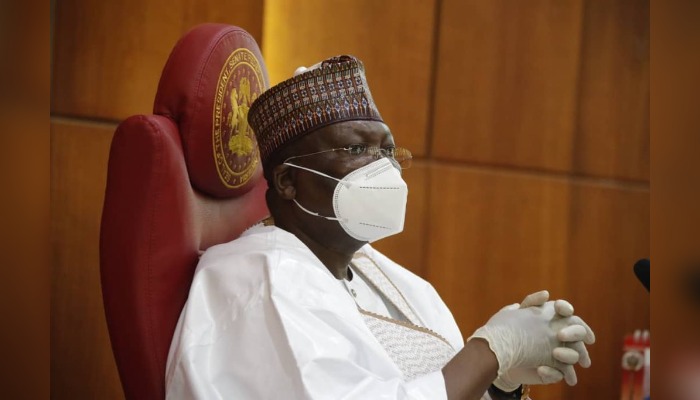
In a landmark move, the Senate of the Federal Republic of Nigeria (Senate) on Wednesday approved legislation that could impose a maximum of 14 years in prison for educators found guilty of sexually harassing students, with no option of a fine.
The bill, titled the “Sexual Harassment of Students (Prevention and Prohibition) Bill, 2025” (HB.1597), was moved to its third reading and now awaits presidential assent.According to intelregion
What the Bill Covers: Offensive Acts and Penalties

The new legislation outlines specific offences such as: demanding sex for academic benefit, unwelcome physical contact, circulating explicit materials and making sexually suggestive comments to students.
Under the bill:
- Offenders under Clauses 4(1)-(3) face 5 to 14 years in jail, with no fine.
-
Lesser offences under Clauses 4(4)-(6) carry 2 to 5 years imprisonment, likewise with no option of a fine.
-
Importantly, “consent” by the student is not a defence unless the educator and student are legally married.
READ MORE: BREAKING: Sowore Declared Wanted by Lagos Police for Alleged Plot to Block Third Mainland Bridge
Safeguarding Students and Institutional Responsibility
The bill empowers students, guardians or legal representatives to file complaints with the Nigeria Police Force or the Attorney-General, or to the Independent Sexual Harassment Committee to be set up by each institution.
Furthermore, once criminal proceedings begin, tertiary institutions must not conduct parallel internal proceedings until court matters are resolved ensuring clear jurisdictional boundaries.
The Senate Leader, Opeyemi Bamidele (APC – Ekiti Central) said the law was designed to “protect students from all forms of sexual misconduct and abuse within academic environments.”
This legislative shift comes against the backdrop of numerous allegations of “sex-for-grades” scandals and abuse of power in Nigerian classrooms and campuses.
Stakeholders in education have long called for stronger enforcement mechanisms to end impunity. The new bill promises to hold educators accountable and restore trust between students and academic institutions.
With the bill now passed by the Senate, the next step is presidential assent to officially make it law.
Once signed, institutions across the country must urgently establish the required committees and revise their internal policies to align with the new legal standard. Many rights-groups view this as a turning point in Nigeria’s fight against sexual exploitation in schools.
Related Posts



Previous Post
Next Post



Global Hints
Follow us for the Latest News, Entertainment, Politics, Business, Technology, and World updates, delivered fast and verified on WhatsApp!
🚀 Follow Us on WhatsApp