
Now Reading: BREAKING: Sowore Declared Wanted by Lagos Police for Alleged Plot to Block Third Mainland Bridge
-
01
BREAKING: Sowore Declared Wanted by Lagos Police for Alleged Plot to Block Third Mainland Bridge
BREAKING: Sowore Declared Wanted by Lagos Police for Alleged Plot to Block Third Mainland Bridge


The Lagos State Police Command has officially declared human-rights activist and former presidential candidate Omoyele Sowore wanted, alleging that he coordinated plans to block the Third Mainland Bridge during a public demonstration over the ongoing demolition in Oworonshoki.
According to reports published by Vanguard Newspaper and confirmed by statements , the police say intelligence revealed a mobilization effort to shut down the strategic bridge as part of a protest described as “planned public disorder.”
The state Commissioner of Police, Adegoke Fayoade, made the announcement during a press briefing near the Iyana-Oworo axis of Lagos, one of the approaches to the Third Mainland Bridge.
“I hereby declare Omoyele Sowore wanted for acts capable of causing disturbance of public peace,”
the Commissioner said.
Why Police Declared Sowore Wanted
According to the Commissioner, the police received credible intelligence connecting Sowore to attempts to mobilize residents affected by the Oworonshoki demolition to physically barricade the Third Mainland Bridge the busiest bridge in Nigeria.
READ ALSO: Tinubu Engages Trump as U.S. Congress Pushes for Sanctions Over Alleged Genocide
The police alleged that the plan could cause:
-
massive traffic disruption,
-
economic losses, and
-
potential security threats.
“Wherever he is, we will get him,”
the Commissioner added.
Sowore Reacts: “This Is Political Intimidation”
Shortly after the announcement, Sowore reacted on social media, insisting he has committed no crime and that peaceful protest remains a constitutional right.
The former presidential candidate and publisher of Sahara Reporters described the wanted notice as a direct attempt to silence civic activism.
He wrote:
“They are trying to intimidate me because we are standing with displaced Nigerians.”
Sowore also insisted that those affected by the demolition deserve justice and accused authorities of deflection rather than accountability.
Oworonshoki Demolition Crisis
The Lagos State Government has been demolishing structures around the Oworonshoki waterfront, stating that the move is part of an environmental and infrastructural renewal project.
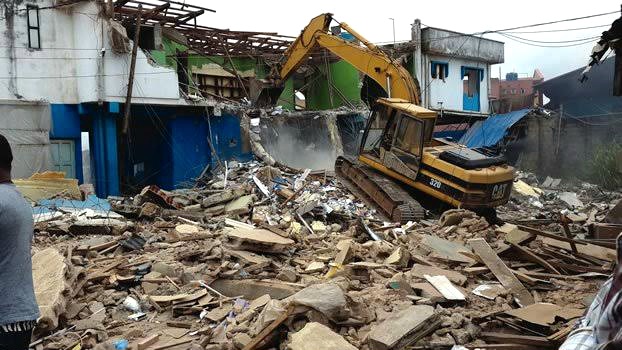
However, affected residents claim:
-
they were not adequately compensated
-
they were not given enough notice
-
their homes were destroyed with their belongings inside.
Civil society groups argue that the demolition has displaced families and destroyed livelihoods.
Related Posts
Previous Post
Next Post


Global Hints
Follow us for the latest jobs and recruitment updates, scholarships, career tips, finance guides, tech and AI insights, and practical ways to make money online, delivered fast and verified on WhatsApp!
🚀 Follow Us on WhatsApp