
Now Reading: Reactions as Nigerian Government Moves to Ban Sachet Alcohol [ NAFDAC ]
-
01
Reactions as Nigerian Government Moves to Ban Sachet Alcohol [ NAFDAC ]


The National Agency for Food and Drug Administration and Control (NAFDAC) is set to enforce a sweeping ban on the production and sale of alcoholic drinks in sachets and bottles under 200 ml starting December 2025. The ban, which targets high-alcohol content beverages, has stirred strong and divided responses across Nigeria. Dailypost
Why the Ban? A Health-Driven Push
NAFDAC’s Director-General, Prof. Mojisola Adeyeye, has framed the ban as a protective measure rather than a punitive one. She argued that inexpensive, high-strength alcohol sold in small sachets is “easily accessible, affordable, and concealable,” making it a social risk especially to young people, commercial drivers, and vulnerable groups.
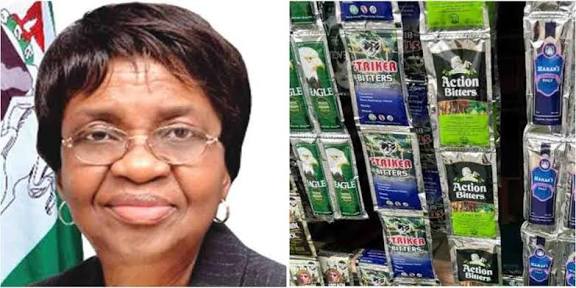
She also linked the proliferation of these products to growing rates of domestic violence, road accidents, school dropouts, and other social vices.
Lawmakers Pile On: Senate Demands No More Extensions
The Senate has backed the move, insisting there will be no further delay to the December 2025 deadline.
In a motion sponsored by Senator Asuquo Ekpenyong, lawmakers warned against another grace period for manufacturers. They described sachet alcohol as a public health menace that contributes particularly to youth addiction and social disorder.
READ ALSO :
-
Baba Ijesha Breaks Silence in First Video Since Regaining Freedom
-
“Tinubu Must Go”: Buhari’s Former Aide Predicts End of President’s Reign by 2027
-
Libya Returns 80 Stranded Nigerians after Months in Harsh Detention Camps
-
‘No More Visas for Fat Nigerians’ President Trump Tightens USA Visa Rule
Further, the Senate has urged the Ministry of Health to finalise and implement the National Alcohol Policy, which is expected to deepen regulation and public education about alcohol misuse.
Implementation Timeline and Clarifications
NAFDAC has clarified that a temporary lifting of the ban earlier in the year is not permanent. Mr Kenneth Azikiwe, Director of NAFDAC’s FCT office, said this grace period ends on 31 December 2025, after which “full enforcement” will commence.

Effective January 2026, the agency plans to tighten its oversight. NAFDAC is recruiting additional staff to help with enforcement and says it will work with security agencies to ensure compliance.
This controversial policy shift highlights a difficult balancing act:
-
On one side, public health advocates welcome the ban as a major step toward controlling alcohol abuse among minors and other high-risk populations.
-
On the other, industry players warn that shutting down sachet production risks not only investments and jobs but also consumer safety if people turn to unregulated, potentially dangerous alternatives.
A Turning Point for Alcohol Regulation
As the December deadline looms, Nigerians find themselves at a crossroads. Will the country prioritise public health, or will economic concerns drive a rethink? NAFDAC believes the decision is clear.
As Prof. Adeyeye put it, “We cannot continue to trade national well-being for short-term economic benefits. The health of a nation is the true wealth of the nation.”
Related Posts



Previous Post
Next Post



Global Hints
Follow us for the latest jobs and recruitment updates, scholarships, career tips, finance guides, tech and AI insights, and practical ways to make money online, delivered fast and verified on WhatsApp!
🚀 Follow Us on WhatsApp