
Now Reading: “Two Terrorists, Two Different Verdicts”: El-Rufai’s Son Slams Judiciary Over Sentencing Gap
-
01
“Two Terrorists, Two Different Verdicts”: El-Rufai’s Son Slams Judiciary Over Sentencing Gap
“Two Terrorists, Two Different Verdicts”: El-Rufai’s Son Slams Judiciary Over Sentencing Gap

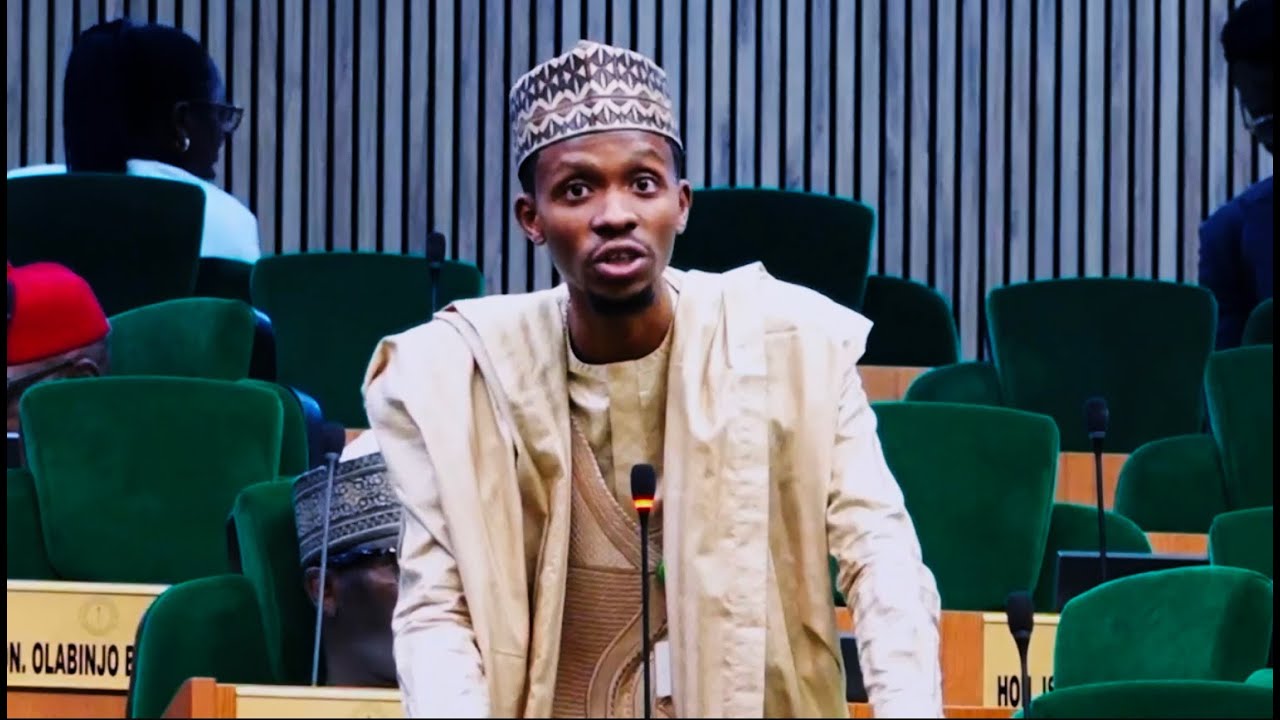
A member of the House of Representatives, Bello El-Rufai, has publicly condemned what he describes as glaring inconsistencies in how Nigerian courts punish convicted terrorists a stance that has reignited debate about fairness in the nation’s justice system.
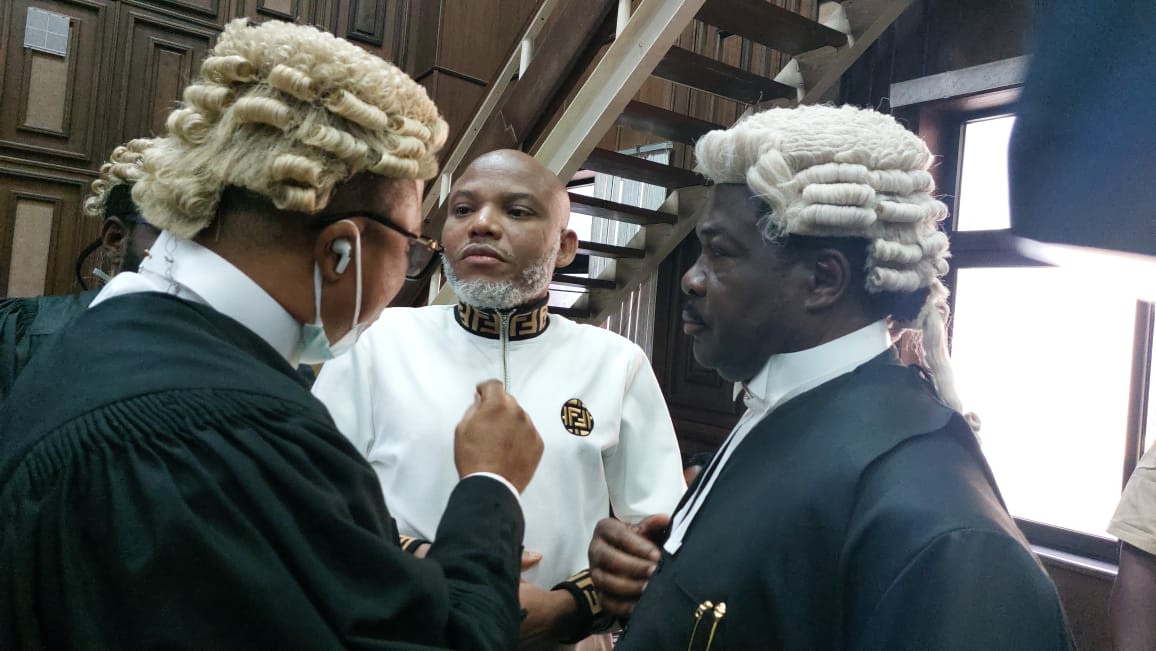
During a plenary session, Bello drew attention to the fact that a convicted member of the Boko Haram terror group, identified as Hussaini Ismail, was sentenced to 20 years in prison, while just a week prior, Nnamdi Kanu leader of the outlawed IPOB was handed a life sentence.
“I don’t understand why one terrorist gets 20 years and the other gets life,” Bello said, adding that the unequal verdicts raise serious doubts about the credibility of sensational judgments. Leadership News
Impact on Public Confidence and Security Strategy
According to the lawmaker, such sentencing imbalances risk eroding public trust in the justice system especially in a country already grappling with widespread insecurity.
READ MORE :
-
Court Rejects Application to Transfer Nnamdi Kanu for Appeal Procedures
-
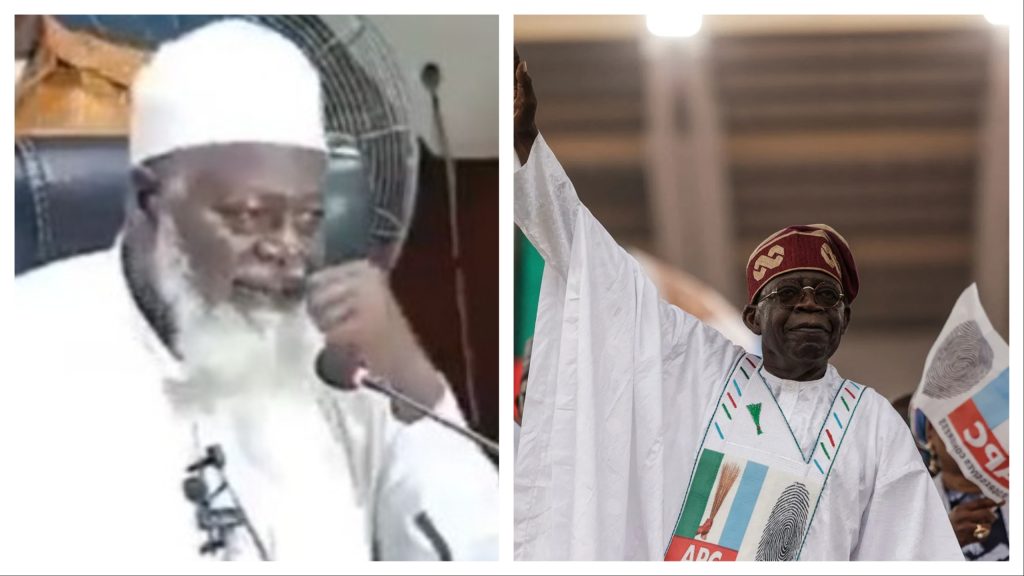
Nnamdi Kanu Can Be Freed Through Amnesty If He Repents, Says Sheikh Gumi
-
DSS Transfers IPOB Leader Nnamdi Kanu to Sokoto Prison After Life Sentence
-
Governor Otti Seals Tinubu’s Campaign Office In Abia Over Alleged Tax Violation (VIDEO)
Bello stressed that Nigeria’s security challenges demand more than rhetorical condemnations and symbolic court verdicts; what is needed is consistency, fairness and accountability.
He urged federal authorities to ensure that verdicts in terrorism cases follow a uniform standard, rather than appear selective or politically motivated.
Broader Call for Security Reform
Beyond the courtroom, El-Rufai used the moment to press for structural reforms aimed at strengthening Nigeria’s security architecture. He reiterated his support for state-level policing and community-based security arguing that centralised policing from the capital cannot effectively tackle crime in remote or far-flung areas.
“We cannot be sitting in Abuja and expecting operations to be efficient in Benue,” he said.
He also drew attention to what he described as severe under-resourcing of the police, warning that Nigeria currently operates far below the recommended security-to-citizen ratio.
“At present, one police officer manages 600 Nigerians. The UN recommends 1 to 400,” he pointed out, calling for an urgent review of welfare and manpower in security agencies.
Socio-Economic Factors Fueling Insecurity, He Warns
El-Rufai further linked the rising tide of violence to neglect of youth and widespread unemployment especially in the North. He lamented that many young people lack education or employable skills, and are increasingly drawn towards crime, radicalisation or banditry as an “easy way out.”
He cautioned that social media posts showcasing bandits flaunting ill-gotten wealth sometimes going viral act as dangerous incentives for idle youths, broadening the pool of potential recruits for criminal and extremist groups.
The Way Forward: Equal Justice, Real Reform
El-Rufai concluded by insisting that Nigeria’s fight against insecurity must go hand in hand with judicial fairness and systemic security reforms.
“Our problem is not just announcing plans; it’s executing them with clear timelines,” he said, urging the National Assembly to embed state policing and welfare reforms into law without delay.
As the debate intensifies over terrorism sentencing and security policy, the crux of Bello El-Rufai’s appeal remains clear: for Nigeria’s justice and security efforts to succeed, they must start with equal justice not selective verdicts.
“There was a conviction of a terrorist … a Boko Haram member … and another terrorist got life sentence. I don’t understand why one terrorist gets 20 years and the other gets life.” Bello El-Rufai
Related Posts

Previous Post
Next Post

Global Hints
Follow us for the Latest News, Entertainment, Politics, Business, Technology, and World updates, delivered fast and verified on WhatsApp!
🚀 Follow Us on WhatsApp