
Now Reading: Top 10 Richest Presidents in Africa Revealed
-
01
Top 10 Richest Presidents in Africa Revealed

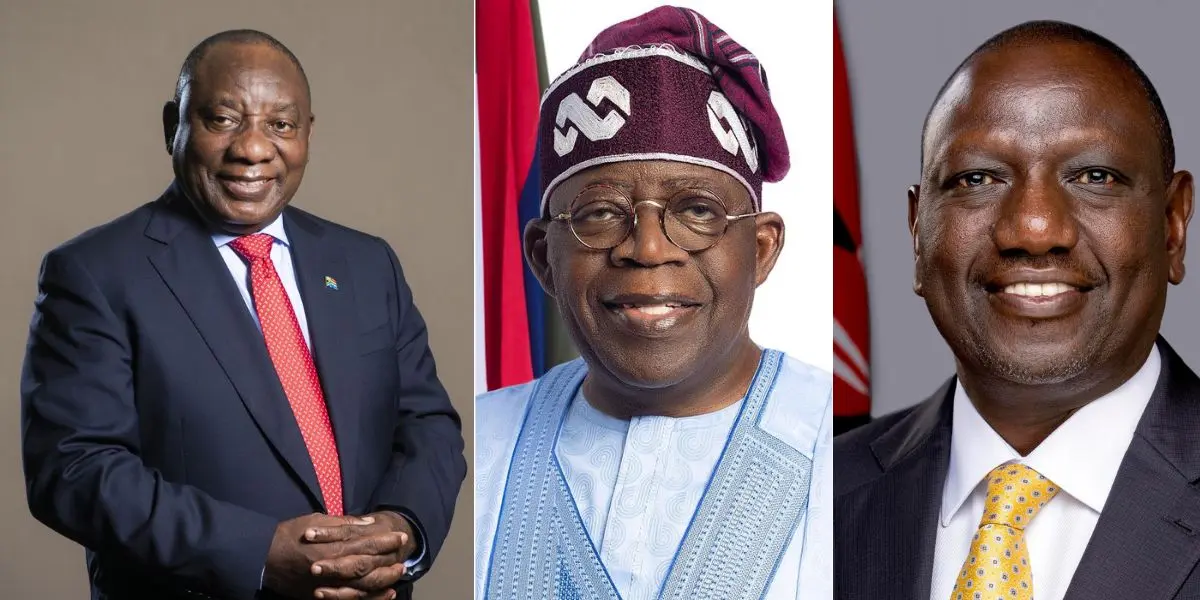
Africa’s political landscape holds surprises beyond governance many leaders are also among the continent’s wealthiest individuals. While presidential offices pay modest salaries relative to private-sector fortunes, numerous African heads of state command vast personal wealth built from business ventures, inheritances, or control of national resources.
This list reveals the Top 10 richest presidents or rulers in Africa, grounded in credible estimates and reflecting the complex interplay between power, wealth, and governance. Below, each profile is elaborated with context, transparency issues, and local relevance.
10. President Paul Biya (Cameroon) (~$200 million)

In power since 1982, Biya is believed to own assets in timber, oil, transport, banking, and construction. His net worth is estimated at $200 million, while official salary figures stand at around $620,000/year.
9. President Alassane Ouattara (Ivory Coast) (~$185 million)
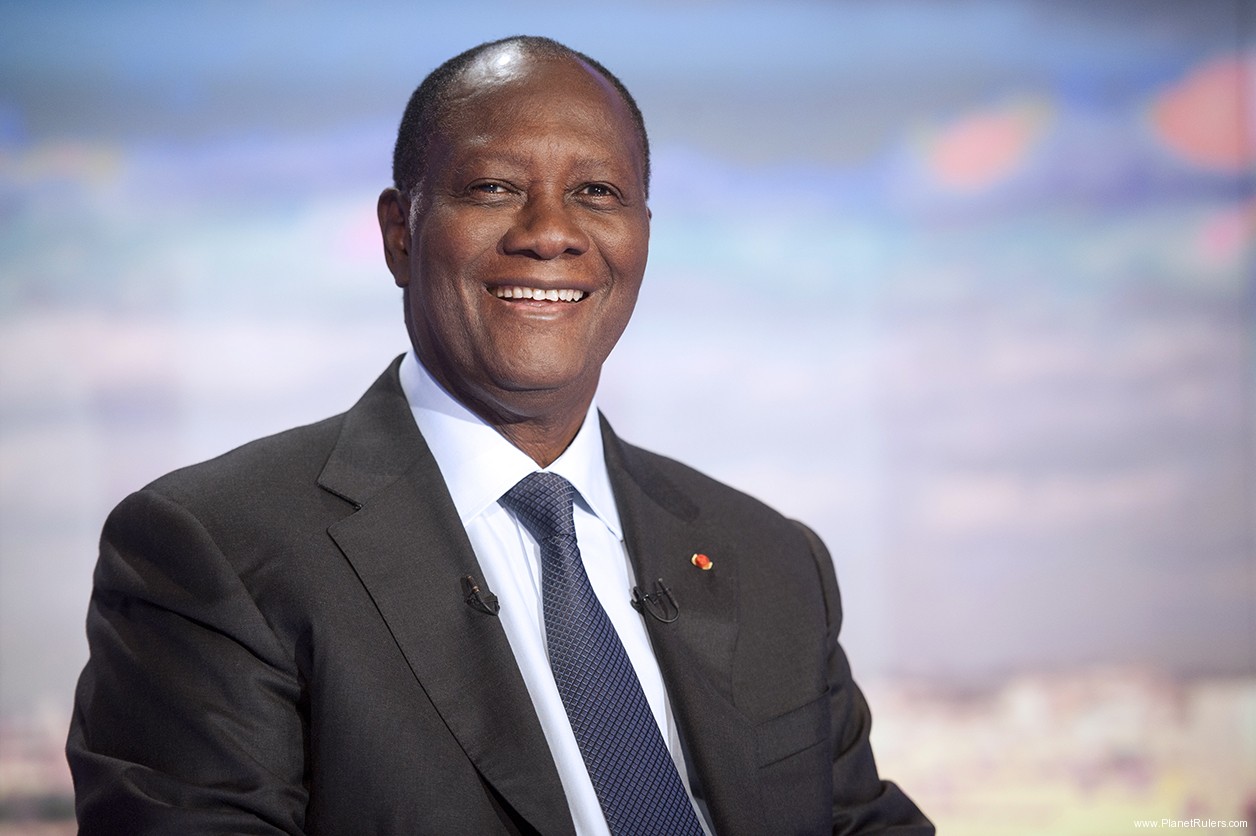
Prior to politics, Ouattara worked at the IMF and as Central Bank governor. His personal wealth is estimated at around $185 million, though financial transparency is limited
8. President William Ruto (Kenya) (~$400 million)
Kenya’s current president accumulated wealth from agriculture especially poultry and real estate. His estimated net worth is $400 million.
7. President Patrice Talon (Benin) (~$400 million)
Talon built a fortune in the cotton trade, logistics, and real estate before assuming office in 2016. His estimated net worth of $400 million reflects an entrepreneurial path to politics.
6. President Paul Kagame (Rwanda) (~$500 million)

Kagame’s wealth is not formally disclosed, but numerous sources estimate it at around $500 million, tied to hidden family holdings in telecommunications, real estate, and mining. Rwanda’s transparency and public discontent remain topics of debate.
5. Former President Uhuru Kenyatta (Kenya) (~$500 million)
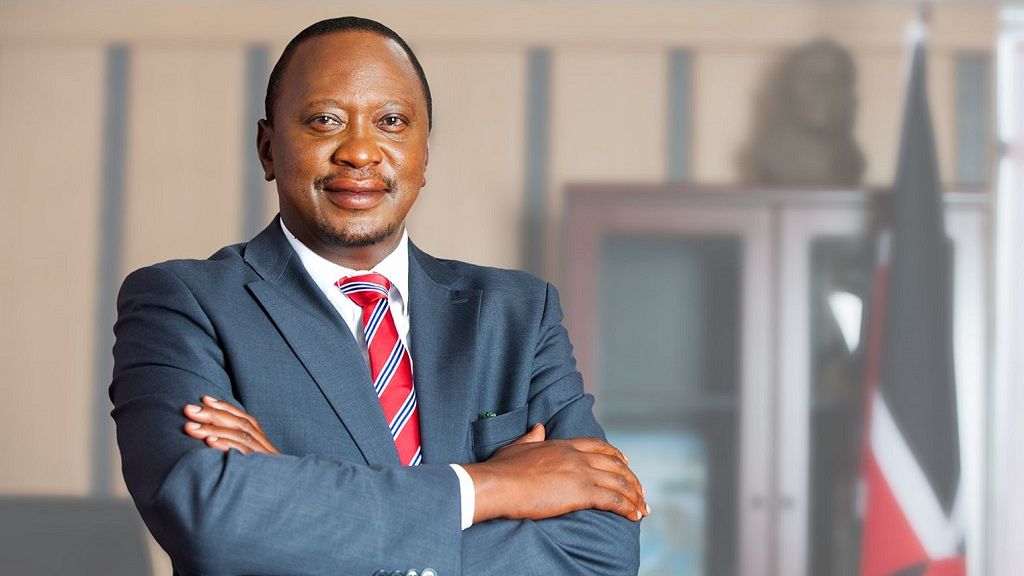
The Kenyatta family owns livestock, Brookside Dairy, media outlets, and real estate. Uhuru ruled Kenya 2013–2022 and Forbes estimated his net worth at approximately $500 million. His family remains influential in business and politics.
4. President Cyril Ramaphosa (South Africa) (~$450 million)
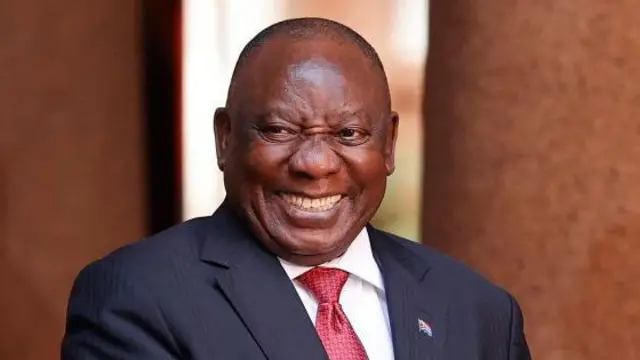
Before entering the presidency, Ramaphosa was a trade union leader and businessman, co‑founding Shanduka Group with stakes in mining, banking, and telecom. His net worth is even listed at $450 million as early as 2018 . He remains one of Africa’s wealthiest democratically elected leaders.
3. President Teodoro Obiang Nguema Mbasogo (Equatorial Guinea) (~$600 million)

Africa’s longest serving head of state, Obiang has ruled since 1979. Forbes estimates his personal fortune at around $600 million, derived from oil wealth and control of state revenues. Multiple investigations have revealed funds held in foreign banks and the purchase of luxury real estate and vehicles.
2. President Bola Ahmed Tinubu (Nigeria) (~$4 billion)

Nigeria’s current president reportedly owns multiple real estate holdings in Lagos and Abuja, and business interests spanning oil and media. Recent estimates list his net worth at around $4 billion. While asset disclosures are rare, his influence in politics and commerce is well‑known in Nigerian circles.
1. King Mohammed VI of Morocco (~$8 billion)
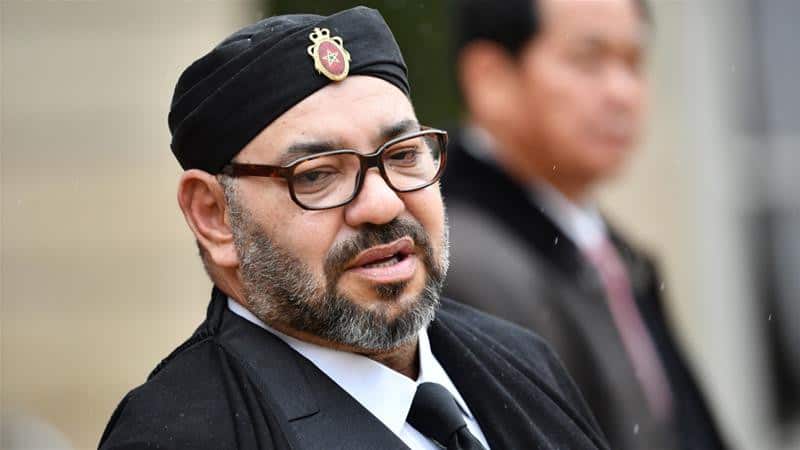
King Mohammed VI leads the pack. As monarch since 1999, his wealth largely comes via the Société Nationale d’Investissement (SNI), owning stakes in major Moroccan banks, mining, real estate, agriculture, telecom, and renewable energy. Forbes placed his net worth around $8.2 billion in 2019. Though Morocco differs from republics, his status as head of state places him at the top of African sovereign wealth.
Africa’s richest presidents represent a fascinating blend of wealth, power, and political influence. From King Mohammed VI of Morocco to President Tinubu of Nigeria, personal fortunes often eclipse national economies raising questions about inequality, transparency, and governance. As GlobalHints readers, understanding who holds economic power in leadership roles helps decode broader political and investment trends across the continent.
Related Posts

Previous Post
Next Post


Global Hints
Follow us for the Latest News, Entertainment, Politics, Business, Technology, and World updates, delivered fast and verified on WhatsApp!
🚀 Follow Us on WhatsApp