
Now Reading: How to Start a POS Business in Nigeria(Complete Guide)
-
01
How to Start a POS Business in Nigeria(Complete Guide)


How to start a POS business in Nigeria has become one of the most searched questions by Nigerians in recent years. With millions struggling to access banks due to poor infrastructure, overcrowded halls, and unreliable ATMs, POS agents have stepped in to fill the gap.
Across Lagos, Kano, Port Harcourt, Enugu, and even in remote villages, POS kiosks have become lifelines for withdrawing cash, sending money, paying bills, and even buying airtime. For many Nigerians, it is no longer just a side hustle, it has become a full-time business creating jobs and steady income.
If you have ever wondered how to start a POS business in Nigeria the right way, this guide breaks it down step by step. From registration and capital to risks and how to stay profitable.
1. Understand What POS Business Really Is

When people ask how to start a POS business in Nigeria, the first step is understanding what it entails. A POS (Point of Sale) business is a mini-banking service where an individual (agent) helps customers carry out financial transactions such as:
-
Cash withdrawals
-
Deposits and transfers
-
Airtime and data recharge
-
Utility and bill payments
-
Sometimes, account opening (depending on the bank)
For many Nigerians, especially in rural areas, this service replaces traditional banks. According to Nairametrics, POS transactions in Nigeria crossed ₦10.7 trillion in 2023 alone, proving just how big the market is.
READ ALSO: Top 10 Highest Paying Industries in Nigeria in 2025 (With Salary)
2. Secure Capital for Setup
)
A major question in how to start a POS business in Nigeria is: how much capital do you need?
On average, you will need between ₦150,000 to ₦250,000 to begin. This covers:
-
POS machine: ₦20,000 – ₦50,000 (depending on bank or aggregator)
-
Starting cash float: ₦100,000 – ₦200,000 (to pay customers making withdrawals)
-
Shop/kiosk setup: ₦30,000 – ₦70,000 (if you need a physical space)
Some operators even start smaller if they already have a shop or a safe place to operate from. If your area has high demand, always start with a bigger cash float. Running out of cash often means losing customers.
3. Choose a Bank or Mobile Money Provider
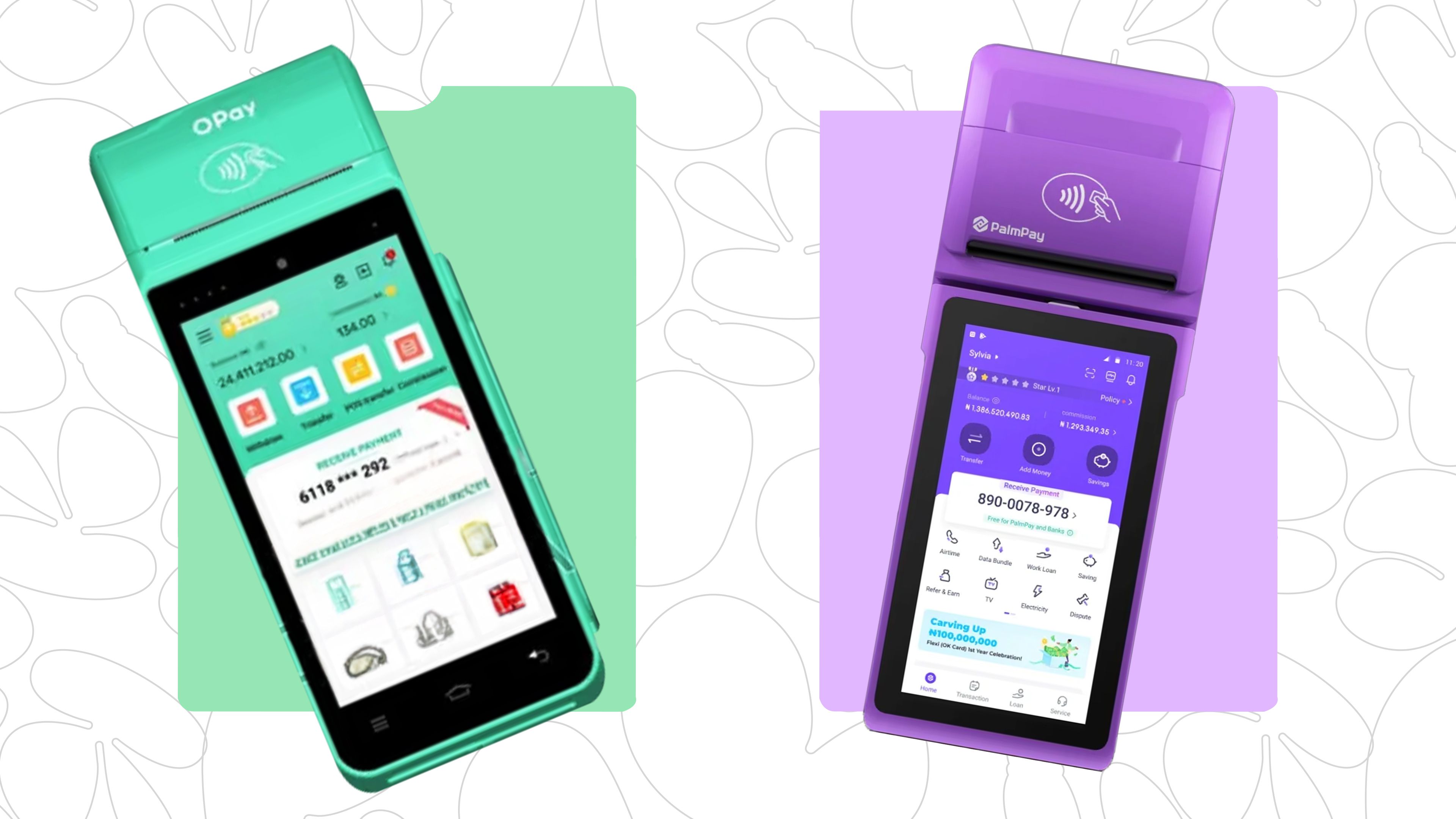
Another critical step in how to start a POS business in Nigeria is deciding where to get your POS machine from. You can either go through:
-
Commercial Banks (like Access Bank, First Bank, Zenith, UBA)
-
Mobile Money Companies (like OPay, Paga, Palmpay, Kuda, Moniepoint)
Banks
Pros: Trusted, reliable systems, direct link to bank.
Cons: Longer approval time, stricter requirements.
Fintech/Mobile Money Providers
Pros: Faster approval, easier process, flexible for beginners.
Cons: Higher transaction charges in some cases.
According to the Nigeria Inter-Bank Settlement System (NIBSS), fintech-driven POS agents now process more than 70% of POS transactions nationwide. That shows just how much Nigerians are embracing non-bank options.
4. Register and Meet Requirements

If you are serious about how to start a POS business in Nigeria, then proper registration is non-negotiable.
Basic requirements include:
-
A valid ID card (NIN, Voter’s Card, Driver’s License, or International Passport)
-
Recent utility bill
-
Bank Verification Number (BVN)
-
Account with the provider’s bank (sometimes required)
-
Passport photographs
Most providers also require you to fill an agent application form. Once approved, you get your POS machine and can begin operations.
5. Find the Right Location

Location is everything in the POS business. When people ask how to start a POS business in Nigeria profitably, the truth is: your location determines your earnings.
Best spots include:
-
Areas with few or no banks/ATMs
-
Bustling markets and motor parks
-
Campuses and student environments
-
Residential areas with high population density
-
Rural areas with limited access to banking services
Avoid areas with too many POS agents already, competition can make it harder to profit.
6. Build Trust With Your Customers

Trust is the oxygen of this business. Nigerians often carry out sensitive transactions like school fees, house rent, and business payments through POS agents.
If you want to succeed in how to start a POS business in Nigeria, you must:
-
Always issue receipts or SMS alerts
-
Be transparent with charges
-
Handle customer complaints with honesty
-
Avoid shortcuts or fraud that can damage your reputation
In Nigeria, word of mouth is powerful. One bad experience can destroy your customer base.
7. Understand Profit and Charges

A big part of how to start a POS business in Nigeria is knowing how money is made.
Typically, you earn through service charges:
-
₦100 – ₦200 per ₦5,000 withdrawal
-
₦200 – ₦300 per ₦10,000 withdrawal
-
₦50 – ₦100 for transfers
-
₦50 – ₦100 for airtime sales
In busy areas, agents make between ₦5,000 – ₦15,000 profit daily, which adds up to ₦150,000 – ₦450,000 monthly.
The more transactions you handle, the more profit you make.
READ ALSO: 10 Healthy Nigerian Foods That Boost Energy
8. Manage Risks in the Business
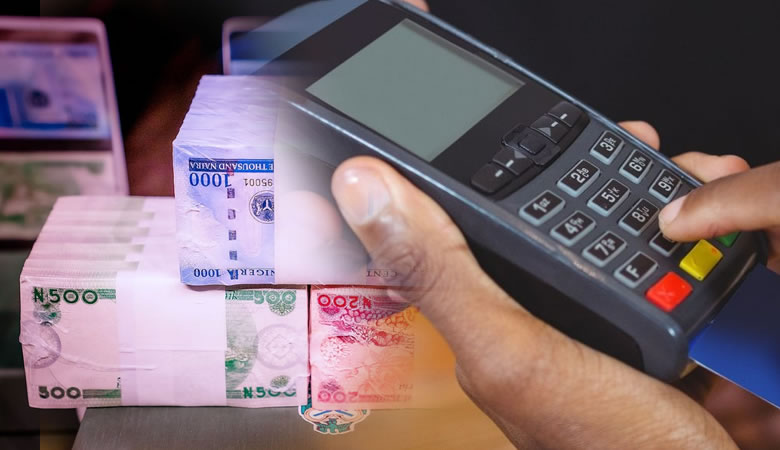
Anyone exploring how to start a POS business in Nigeria must know it is not without risks.
Common risks include:
-
Robbery and theft: Because you handle cash, you can be a target.
-
Fake currency: Criminals may try to deposit counterfeit notes.
-
Fraudulent transfers: Fake bank alerts are common.
-
Network downtime: This can frustrate customers and slow down business.
How to reduce risks:
-
Operate in secure locations
-
Always confirm bank alerts before handing out cash
-
Limit the cash you keep at once
-
Stay alert to suspicious customers
9. Expand and Grow Your POS Business

The final stage of how to start a POS business in Nigeria is scaling up. Once you master the basics, you can:
-
Employ staff to run multiple kiosks
-
Add other services like DSTV/GOTV payments, electricity bills, WAEC/NECO scratch cards
-
Partner with small businesses to manage their transactions
-
Integrate online mobile money services
The beauty of this business is that once you gain trust and steady customers, growth is natural.
10. Sustaining Long-Term Profitability
![FREE] How to Get a POS Machine in Nigeria](https://research.gti.com.ng/wp-content/uploads/2023/02/How-to-Get-a-POS-Machine.png)
How to start a POS business in Nigeria is not just about buying a machine and setting up a kiosk. It’s about understanding the ecosystem: where to operate, how to build trust, and how to manage risks.
With millions of Nigerians depending on POS agents daily, this business is one of the most lucrative small ventures today. But success depends on planning, transparency, and customer service.
If you’re looking for a business with low entry barriers and high demand, this is one of the best ways to start.
Related Posts



Previous Post
Next Post



Global Hints
Follow us for the Latest News, Entertainment, Politics, Business, Technology, and World updates, delivered fast and verified on WhatsApp!
🚀 Follow Us on WhatsApp