
Now Reading: How Nigeria and 5 Other African Nations Were Eliminated from the 2026 World Cup Race
-
01
How Nigeria and 5 Other African Nations Were Eliminated from the 2026 World Cup Race
How Nigeria and 5 Other African Nations Were Eliminated from the 2026 World Cup Race


In a dramatic turn of events, not only Nigeria, but also Chad, Djibouti, Ethiopia, Eswatini, and Zimbabwe, have officially bowed out of the 2026 FIFA World Cup qualifying race. Below is a breakdown of how each of these countries saw their World Cup dreams come crashing down.
1. Nigeria — Heartbreak on Penalties

Nigeria’s elimination came in a nail-biting CAF playoff final, where they faced DR Congo in Rabat. After a 1–1 draw that persisted through extra time with Frank Onyeka’s early strike for Nigeria canceled out by Meschak Elia for DR Congo the tie went to a penalty shootout.
Tragically for the Super Eagles, they floundered at the spot-kicks: Calvin Bassey missed the opener, Semi Ajayi’s shot was saved, and Moses Simon failed to convert. DR Congo held their nerve and won 4–3 to advance to the inter‑confederation playoff, ending Nigeria’s qualification hopes.
READ ALSO :
- Nigeria Smiles Again as Super Eagle Star Secures CAF Approval for Congo World Cup Qualifier
-
Nigeria vs Gabon: The Super Eagles’ Road to Redemption in 2026 World Cup Qualifiers
-
Who Attacked First? Verydarkman and Mr Jollof Throw Blows on Aircraft in Shocking Viral Video!
-
Bandits Raid Kebbi College: Dozens of Students, Teachers Abducted in Birnin Yauri Attack
Nigeria’s composure crumbled in the decisive moments, especially without injured star Victor Osimhen. TheCable also noted that goalkeeper Stanley Nwabali saved two penalties, but the misses from Bassey, Simon, and Ajayi proved costly.
In the end, a combination of poor spot-kick execution and tactical frailties sealed Nigeria’s exit.
2. Chad — Struggles and Internal Turmoil
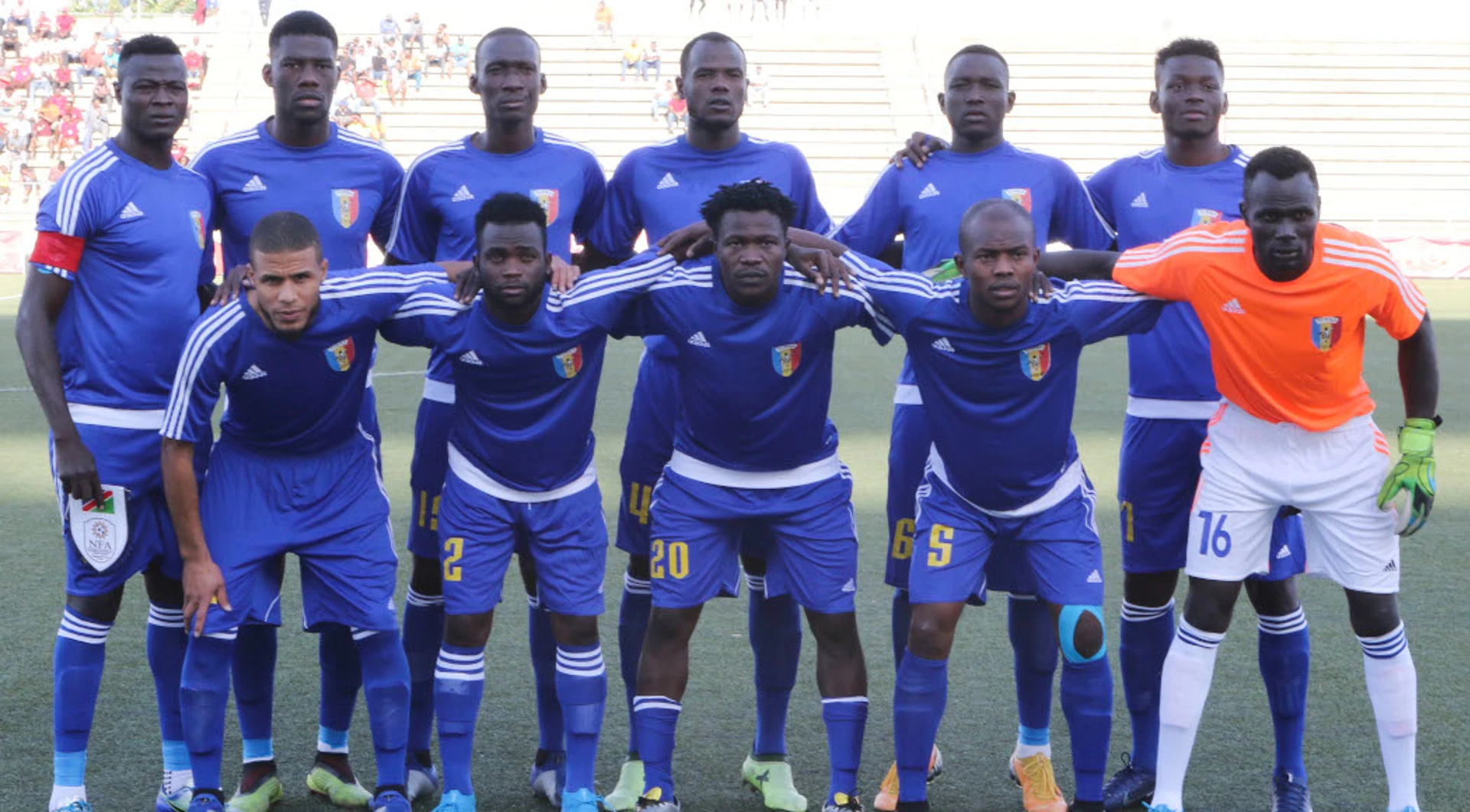
Chad’s campaign was plagued from the start. They failed to pick up a single point in Group I, losing every match and conceding heavily, effectively becoming the first African team to be mathematically eliminated.
Their troubles were compounded off the pitch. According to reports, key players including Amine Hiver, Amed Ngouyamsa, and Éric Mbangossoum withdrew from the squad citing mismanagement within the Chadian Football Association (FTFA).
This lack of stability, coupled with tactical inconsistency, meant Chad never had a real shot at staying in the race.
3. Djibouti & Ethiopia — Bottom of the Group

Both Djibouti and Ethiopia were drawn into CAF Group A, alongside football powerhouses like Egypt, which eventually topped the group. Over the course of qualification, neither team gathered enough points to challenge for the top spot or to rank favorably among second-placed teams.
Their early elimination was confirmed as they failed to mount any serious threat to Egypt’s dominance.
4. Eswatini — Overpowered by Cape Verde
In Group D, Eswatini faced stiff competition, including from Cape Verde, who ended up winning the group. Cape Verde’s convincing 3–0 victory over Eswatini was pivotal to their historic qualification.
Eswatini, unable to keep pace with their Group D rivals, were left behind and formally exited the race.
5. Zimbabwe — Second Place, But Not Enough

Zimbabwe was placed in Group C, but their campaign never gained the traction needed. While they did manage some results, they couldn’t overtake group rivals in a way that would push them to the next phase.
According to a list of teams eliminated from CAF qualifying, Zimbabwe was officially out after the group stage.
As GlobalHints.com.ng, it’s clear that the road to the 2026 World Cup has already been unforgiving for several African teams. While some nations move on confidently, others are left to reflect on missed chances.
For Nigeria, especially, this is not just a failure of qualification it’s a call to introspect, rebuild, and come back stronger.
“It’s painful, but this is African football in all its drama you win on composure, you lose on nerves,” one analyst told BeIN Sports.
Related Posts





Global Hints
Follow us for the Latest News, Entertainment, Politics, Business, Technology, and World updates, delivered fast and verified on WhatsApp!
🚀 Follow Us on WhatsApp