
Now Reading: Why These 7 Ministers Resigned Under Tinubu’s Rule
-
01
Why These 7 Ministers Resigned Under Tinubu’s Rule

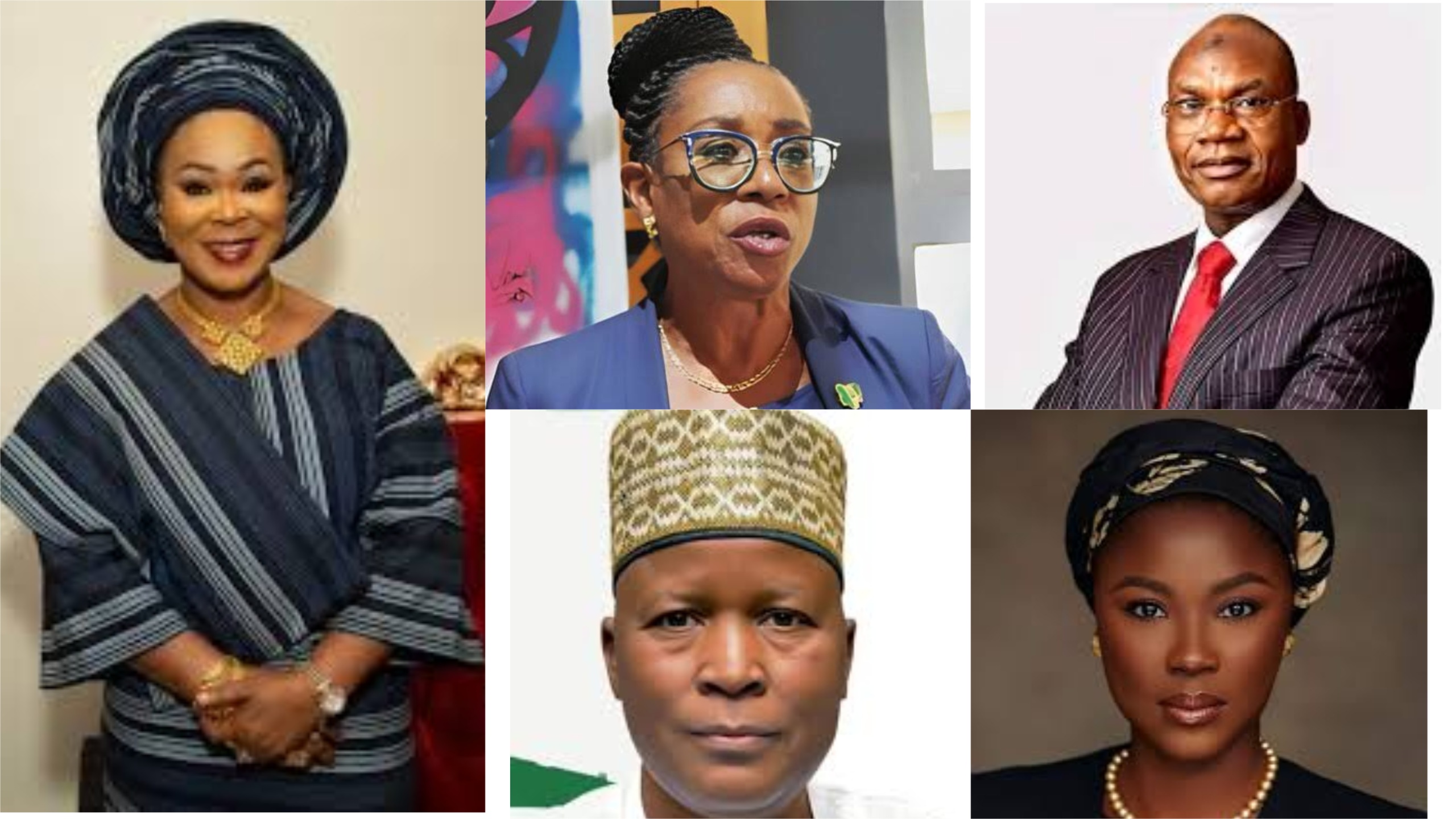
Under President Bola Ahmed Tinubu, this tradition continues perhaps even more boldly with seven ministers either sacked or forced to resign within the first phase of his administration.
This evergreen feature breaks down each removed minister, the broader governance lessons, and how these exits mirror Nigeria’s political culture. It’s written for a global audience but deeply grounded in the Nigerian experience.
Why Ministerial Sackings Matter in Nigeria
Leadership changes within Nigeria’s cabinet rarely occur quietly. They spark debates about performance, competence, corruption, and the ever-shifting dynamics of political loyalty. Global Hints
According to the World Bank’s 2023 Governance Indicators, countries with unstable executive teams often experience slower policy continuity. Nigeria’s experience illustrates this clearly.
READ MORE :
For citizens, ministerial exits influence everything from security policy implementation to education reforms and social welfare programs. When a minister is removed, institutions shake and citizens feel the tremor.
Below is a fully elaborated list of the seven ministers removed under President Tinubu so far, based on verifiable information from credible Nigerian outlets such as Global Hints
1. Uju Kennedy Ohanenye – Former Minister of Women Affairs

Uju Kennedy Ohanenye’s removal generated some of the loudest public reactions. Known for her controversial public statements, she often clashed with advocacy groups.
What made her position increasingly shaky, analysts argue, was her approach to social protection policies and comments perceived as insensitive.
Women’s rights organizations, including several civil society coalitions, repeatedly criticised her for failing to push progressive reforms in a country where, according to UN Women Africa, more than 45% of women and girls experience some form of gender-based vulnerability.
Her exit symbolizes the delicate balance required in women-centric ministries, where public empathy and technical competence must work side-by-side.
2. Lola Ade-John – Former Minister of Tourism
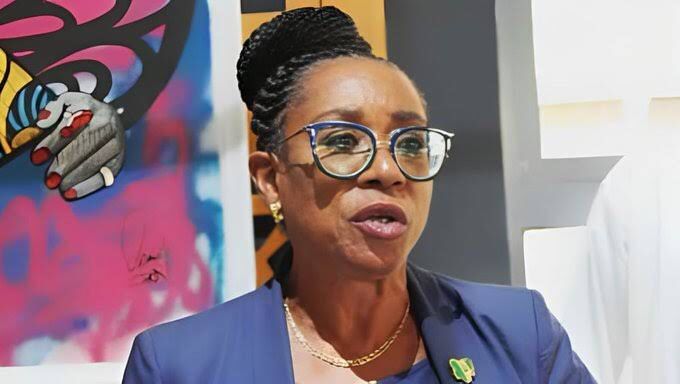
Lola Ade-John’s removal highlighted another chronic issue in Nigeria’s governance: underdeveloped tourism potential.
Despite being Africa’s cultural capital with Nollywood, Afrobeats, and landmarks like Idanre Hills and Obudu Mountain Resort Nigeria still attracts fewer tourists than Rwanda or Kenya.
Ade-John reportedly struggled to drive investor confidence or produce a clear tourism recovery roadmap.
Nigeria loses billions annually in tourism revenue, according to Statista’s African Travel Economics report, making the role particularly strategic.
Her removal underscores the federal government’s desire for stronger economic diversification beyond oil.
3. Tahir Mamman – Former Minister of Education

Professor Tahir Mamman, a respected academic and former DG of the Nigerian Law School, faced one of the toughest sectors in Nigeria: education.
Nigeria has over 10 million out-of-school children, according to the UNESCO Institute for Statistics one of the highest rates globally.
During his tenure, critics argued that policy direction remained unclear, especially on tertiary funding, university autonomy, and the recurring ASUU wage crisis.
While Mamman brought intellectual weight, ana lysts say he struggled to translate expertise into wide-scale reform.
His exit reflects the enormous pressure placed on education leaders in a country where every reform hits political, cultural, or financial roadblocks.
4. Abdullahi Tijjani Gwarzo – Former Minister of State, Housing & Urban Development

Gwarzo’s removal came at a time when Nigerians are facing an unprecedented housing crisis. According to the Nigerian Bureau of Statistics (NBS), the country’s housing deficit stands between 20–28 million units, with affordability being the biggest obstacle.
Multiple housing stakeholders said Gwarzo’s ministry lacked innovation in mortgage expansion and urban renewal.
His removal signals a need for ministers who can tap into global housing financing models, such as Kenya’s Affordable Housing Initiative or Morocco’s social housing bonds.
5. Jamila Bio Ibrahim – Former Minister of Youth Development

Young, energetic, and highly visible, Jamila Bio Ibrahim’s exit surprised many observers. Nigeria has one of the world’s youngest populations, with 70% of citizens under 30, according to the UN Population Division.
Youth activists insisted that the ministry needed a leader with deeper policy grounding and stronger grassroots engagement. Some of her programs were criticised as “elite-focused” or poorly communicated.
Her exit highlights the massive expectations placed on youth ministers in countries with large youthful populations where policymaking must be innovative, digital-friendly, and economically impactful.
6. Mohammed Badaru Abubakar – Former Minister of Defence (Resigned)
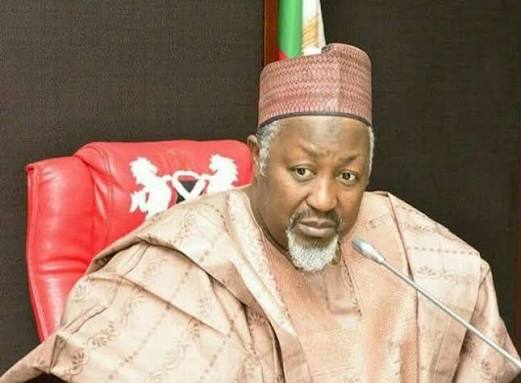
Security remains Nigeria’s greatest governance test, costing the economy over ₦15 trillion annually. Banditry, insurgency, oil theft, and communal clashes require military leadership both strategic and stable.
Badaru’s resignation officially due to health reasons left Nigerians debating whether the pressure of the portfolio played a role. Defence ministries globally experience rapid burnout.
In Nigeria, the pressure is multiplied: every attack, abduction, or security breach is viewed as a failure of leadership.
His exit illustrates the intense burden placed on defence ministers in highly volatile security environments.
7. Uche Nnaji – Former Minister of Innovation, Science & Technology (Resigned)

Arguably the most dramatic exit on the list, Uche Nnaji resigned following allegations of certificate discrepancies an issue often tied to Nigeria’s long-standing credential verification challenges.
Nigeria loses millions annually to certificate fraud detection costs, according to NIS & WAEC joint data, and public officials face increasing scrutiny in this area.
His resignation sends a message about ethics and credibility in a ministry expected to drive digital transformation, artificial intelligence policy, and indigenous innovation.
Related Posts

Previous Post
Next Post

Global Hints
Follow us for the Latest News, Entertainment, Politics, Business, Technology, and World updates, delivered fast and verified on WhatsApp!
🚀 Follow Us on WhatsApp